


At Sunday, we practice Integrated Pest Management: a multi-tier approach where pest prevention is key. Proper identification and habitat reduction comes first, and pesticides are only used as a last resort. That being said, we know certain pests can be pretty, well, pesky.
Key Takeaways
- What it is: A naturally derived insecticide made from six chemical compounds extracted from chrysanthemum flowers
- What it kills: Ants, mosquitoes, moths, flies, cockroaches, beetles, spiders, mites, and fleas
- How it works: Disrupts the nervous system of insects, causing paralysis and death within minutes of contact
- Environmental breakdown: Decomposes within 12–24 hours in direct sunlight
- Safety profile: Low mammalian toxicity when used as directed; can be toxic to fish, bees, and cats
- Historical use: First used in ancient Persia and China around 400 BC
Plant-powered pest control
Plant-powered pest control
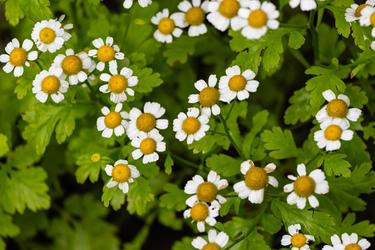
Pyrethrin is made up of a group of six chemical compounds derived from chrysanthemum flowers: pyrethrin I and II, jasmolin I and II, and cinerin I and II and is a fast-acting, EPA-regulated, contact insecticide.
What does pyrethrin kill?
Pyrethrin is effective against a wide range of common household and outdoor pests, including:
- Ants
- Mosquitoes
- Moths
- Flies
- Cockroaches
- Beetles
- Spiders
- Mites
- Fleas
Pyrethrin vs. Pyrethroids
Understanding the difference between pyrethrin and pyrethroids helps you choose the right pest control option:
- Origin: Pyrethrin is naturally derived from chrysanthemum flowers; pyrethroids are synthetic (man-made)
- Environmental breakdown: Pyrethrin breaks down quickly when exposed to air, light, and heat; pyrethroids are engineered to be more stable and persistent
- Residual effects: Pyrethrin is biodegradable with minimal lasting impact; pyrethroids have longer-lasting residual effects
How does pyrethrin work?
Pyrethrin works by disrupting the nervous system of insects, causing paralysis and death within minutes of contact. Specifically, it disrupts ion exchange in the nervous system, leading to overly-excited nerve cells.
Why use pyrethrin? Pyrethrin, when used according to label instructions, is great for many reasons! Here are some of the ones we think are most important:
- Rapid breakdown: Pyrethrin decomposes quickly in heat, sunlight, and UV light—typically within 12–24 hours in direct sunlight—meaning it won't stick around for long after application, and you don’t have to worry about continued exposure for you and your family.
- Low risk to groundwater: Pyrethrins have a low potential for movement through the soil, and usually aren't found below 6", so there is little risk of them leaching into groundwater.
- Low risk to mammals: Pyrethrins generally have low mammalian toxicity when used correctly.
Is pyrethrin safe?
Is pyrethrin safe for pets? Generally yes for dogs when used as directed, but cats are more sensitive to pyrethrin toxicity. Exercise caution around cats and consult your veterinarian if you have concerns.
Is pyrethrin safe for bees? No. Because pyrethrin is toxic to other Hymenoptera pests like ants, it is also toxic to bees and other beneficial pollinators. Avoid applying near flowering plants.
Is pyrethrin safe for humans? Yes, when used according to label instructions. Pyrethrins generally have low mammalian toxicity.
Is pyrethrin safe for fish? No. Pyrethrins are toxic to fish and aquatic organisms. Keep applications away from water bodies.
Safety first
As with all pesticides, there are some general safety precautions you should be aware of:
- Always, always, always read pesticide labels (in full!): Follow labeled instructions—the label is the law!
- Protect the water: Even though pyrethrin breaks down quickly, pyrethrin in the soil can be moved via erosion into surface water, and pyrethrins are toxic to fish. To protect the water:
- Be very careful when using around water bodies.
- Never apply directly to or near the flow of/towards storm drains.
- Do not apply if rain is forecasted within the next 24 hours.
- Be careful to avoid applications to pavement, where pyrethrins might get washed away into sewers, storm drains, or surrounding surface water.
- Save the bees: Because they are toxic to Hymenoptera pests like ants, pyrethrin is also toxic to bees and other beneficial pollinators. Avoid applications to flowers where bees may forage, and avoid applying during the morning and afternoon when bees are most active.
- Be cautious around cats: Pyrethroids are toxic to cats, and pyrethrins may be harmful as well, so exercise caution around your furry friends!

Sunday Tip:
If you are going to spray for pests using pyrethrin-containing products, don’t spray near or on flowering plants!
Sunday Bug Doom and pyrethrin
Bug Doom barrier treatment and ready-to-use spray use pyrethrin to control troublesome indoor and outdoor pests. The pyrethrin in Sunday’s Bug Doom is a powerful pesticide that’s botanically derived from Chrysanthemum. While it is a "general use" pesticide (meaning it can kill a wide variety of pests—see the label for the full list!), it’s biodegradable as well, and only sticks around for about two weeks when used as directed. Why does this matter? With Bug Doom, you’ll be able to reduce populations of pests in your yard and home, while avoiding residual effects of long-lasting pesticides.
Frequently Asked Questions
Is pyrethrin toxic to cats?
Yes, pyrethrin can be harmful to cats. Cats are more sensitive to pyrethrin toxicity than dogs, so exercise caution and keep cats away from treated areas until the product has dried completely.
Is pyrethrin safe for bees?
No, pyrethrin is toxic to bees and other beneficial pollinators. Avoid applying pyrethrin products near flowering plants or during times when bees are active.
How long does pyrethrin last?
Pyrethrin breaks down quickly—typically within 12–24 hours when exposed to direct sunlight. This rapid decomposition means it doesn't have long-lasting residual effects in the environment. Some products containing pyrethrin may have a longer residual effects if there are ingredients included to delay that decomposition. Check the label to be sure.
What's the difference between pyrethrin and permethrin?
Pyrethrin is naturally derived from chrysanthemum flowers, while permethrin is a synthetic pyrethroid. Permethrin is more stable and longer-lasting, whereas pyrethrin breaks down quickly in the environment.
Cited sources
Bond, C., K. Buhl, and D. Stone. Pyrethrins General Fact Sheet. National Pesticide Information Center, Oregon State University Extension Services.
Ensley, S.M. Pyrethrins and Pyrethroids. In: Veterinary Toxicology (Third Edition). Pgs. 515-520.
Suiter, D.R. and M.E. Scharf. Insecticide Basics for the Pest Management Professional. University of Georgia Cooperative Extension and University of Florida.
Texas A&M AgriLife Extension. Botanical Insecticides.