



New!
Try our complete pest solutions


About outdoor bug control
Outdoor bug control is about creating a comfortable outdoor space where you can actually enjoy the yard you're working hard to maintain. The good news: you don't need harsh chemicals to get there.
Modern yard pest control relies on targeted, plant-powered ingredients like cedarwood oil, lemongrass oil, and pyrethrin (derived from chrysanthemum flowers) to control mosquitoes, ticks, ants, and other common yard invaders. The key is matching the right formula to the right pest, rather than reaching for a one-size-fits-all approach.
Sunday's approach is built around this idea. Each product targets a specific problem with specific botanical and plant-derived ingredients. And because a healthy yard is a less pest-friendly yard, pest control fits alongside lawn and garden care as part of a bigger ecosystem approach.
Types of outdoor bug control products
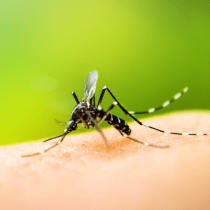
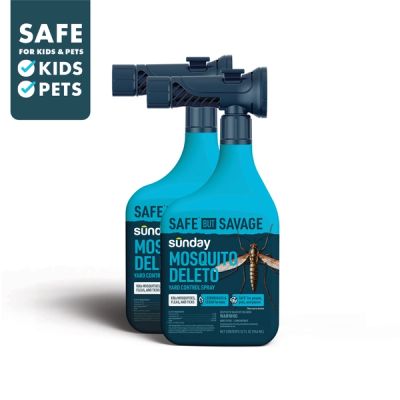
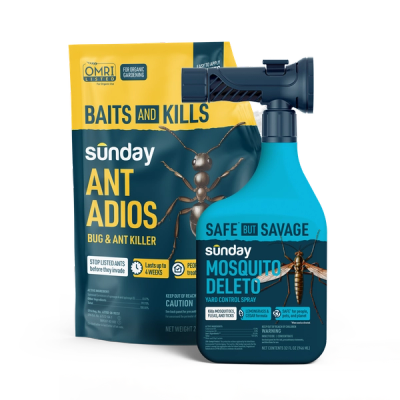
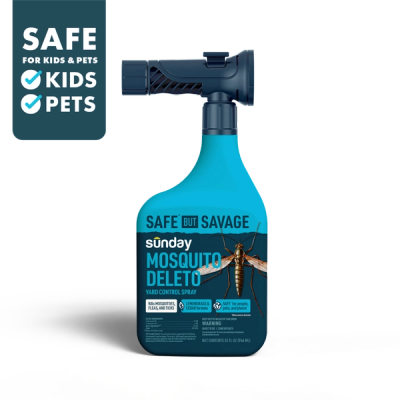
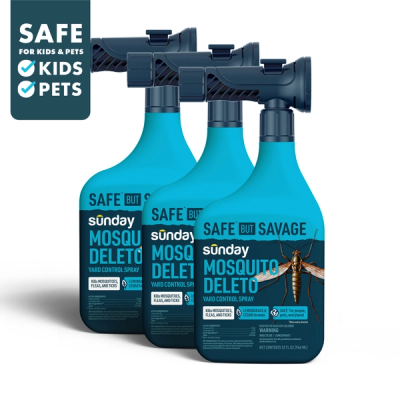
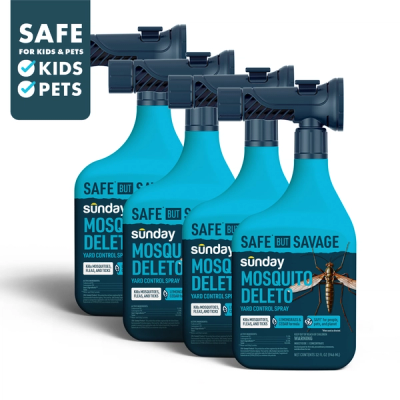
Mosquito sprays use plant-oil blends (cedar, lemongrass) applied through hose-end sprayers to cover large areas. They work on contact and repel for up to 4 weeks.
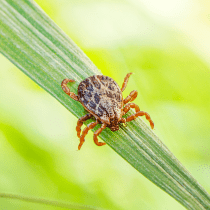
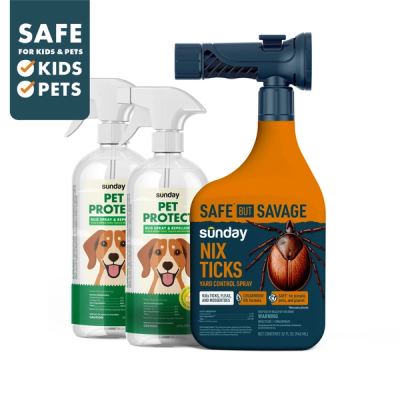
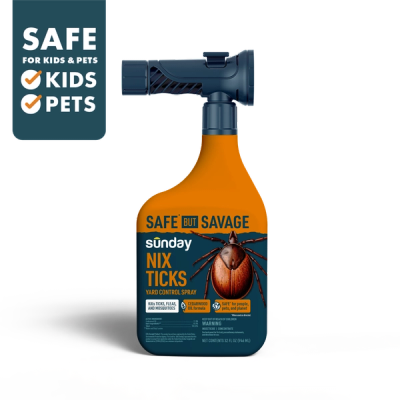
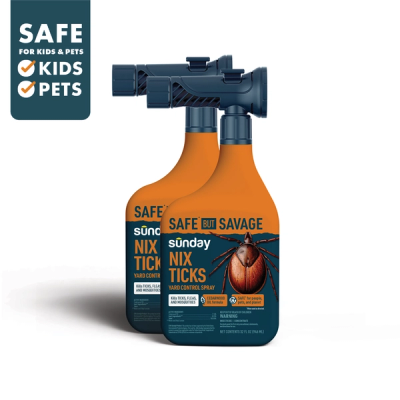
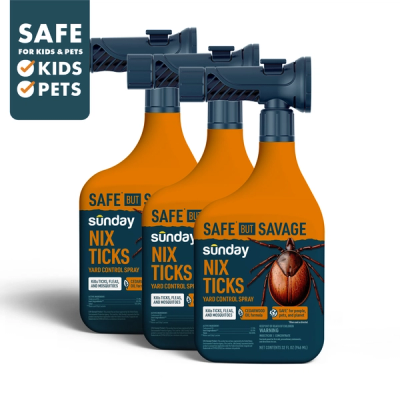
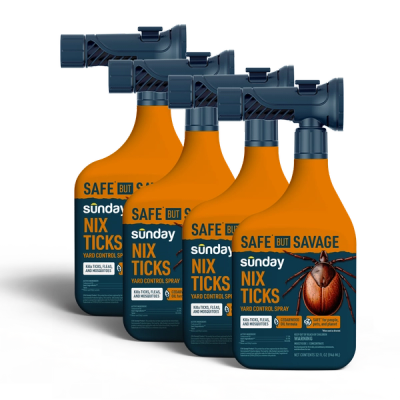
Tick sprays use cedarwood oil formulas for ground-level application in shaded, wooded areas where ticks live. These also repel fleas and mosquitoes.
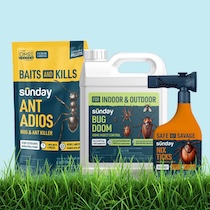
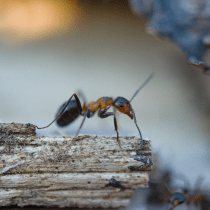
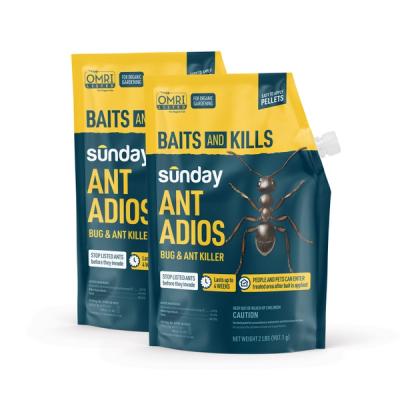
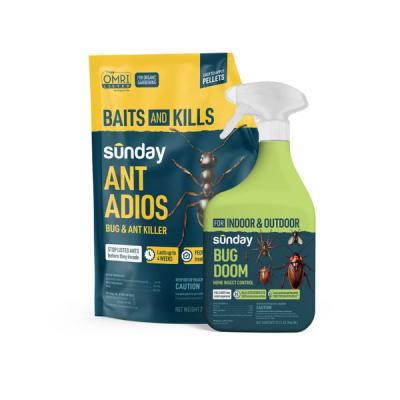
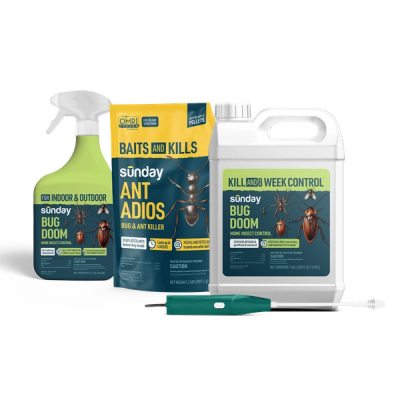
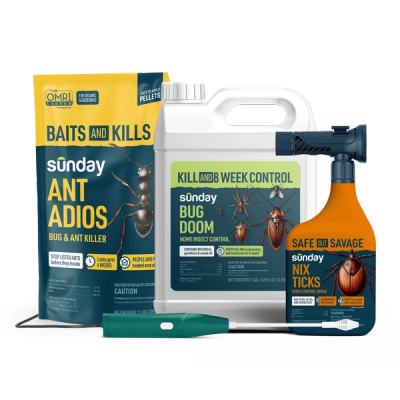
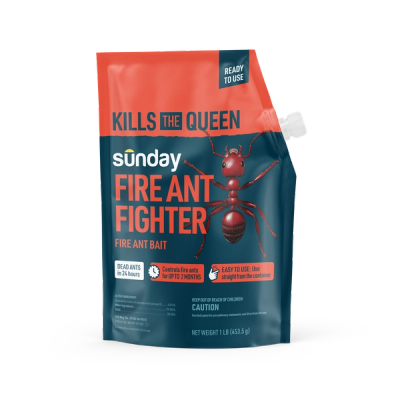
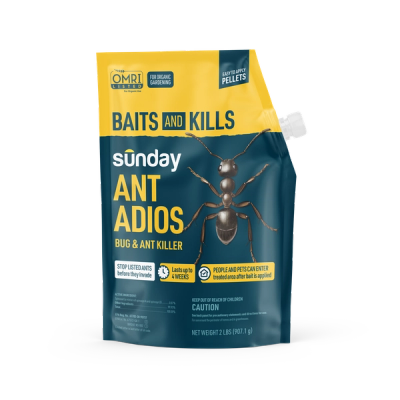
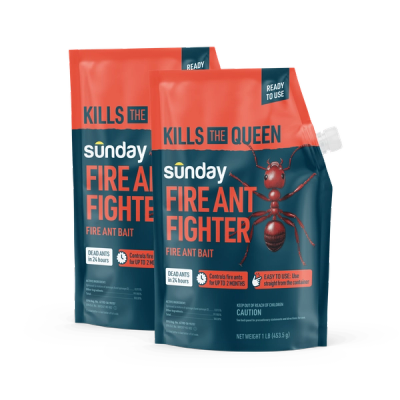
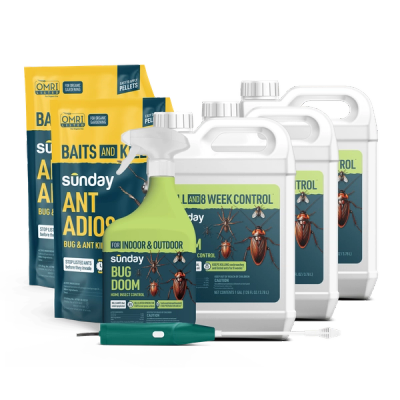
Ant baits and granulars use spinosad to attract and eliminate ant colonies, earwigs, cutworms, and sowbugs. Granular baits are OMRI-listed for organic gardening. Specialized baits like Fire Ant Fighter Ant Bait (1 lb) target fire ants specifically.
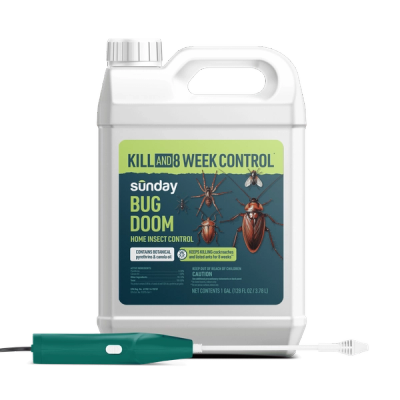
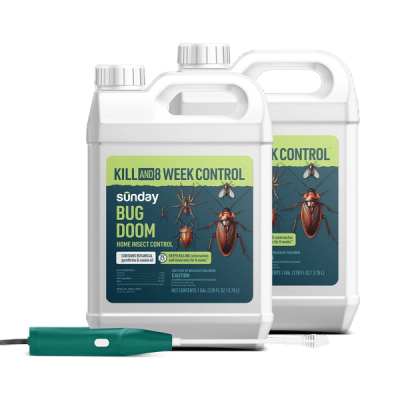
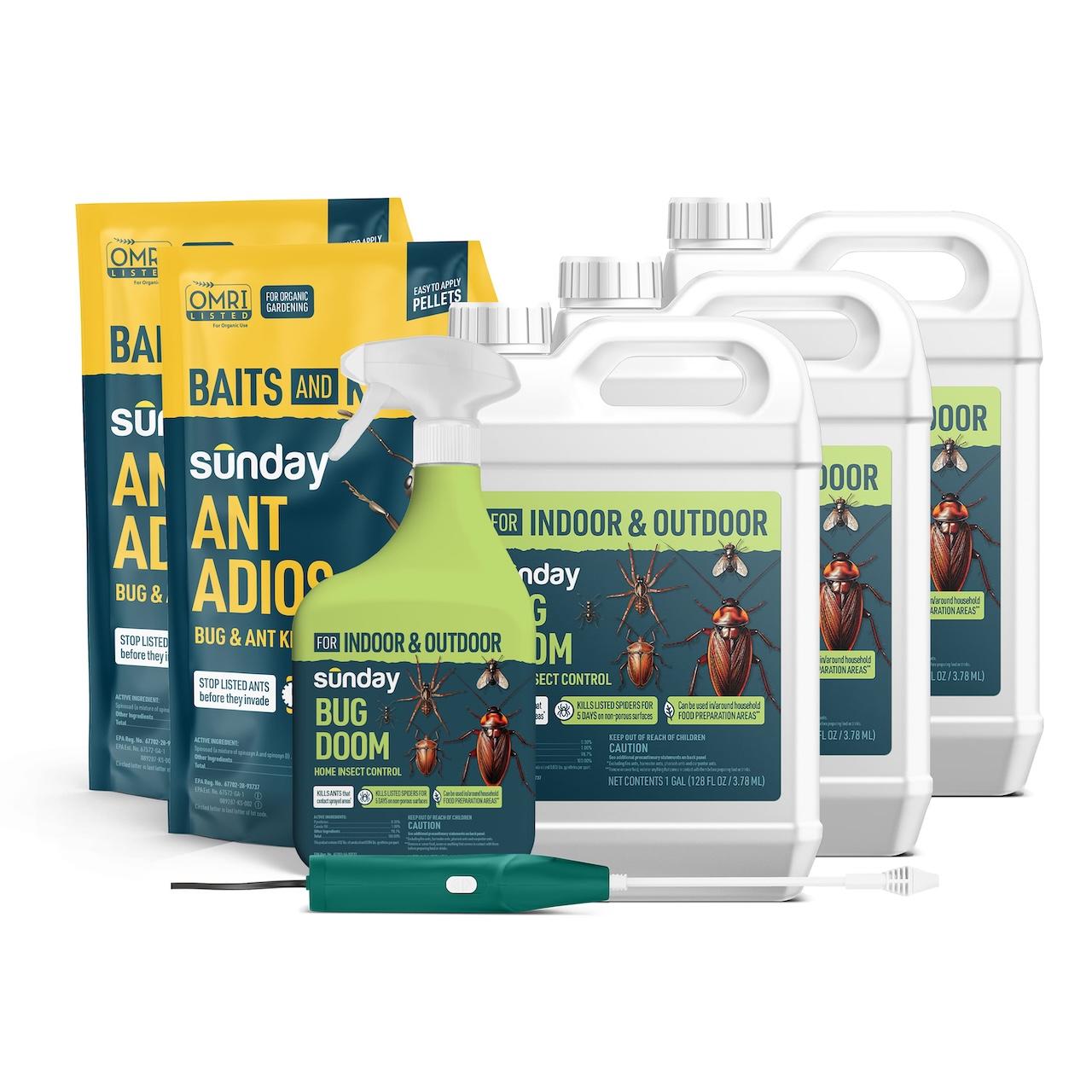
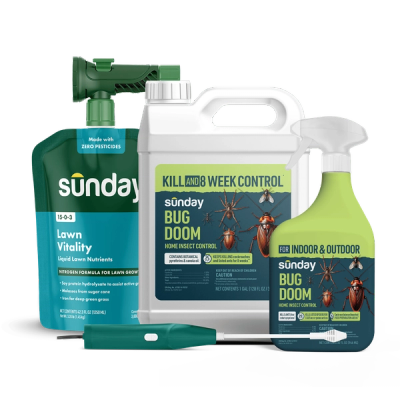
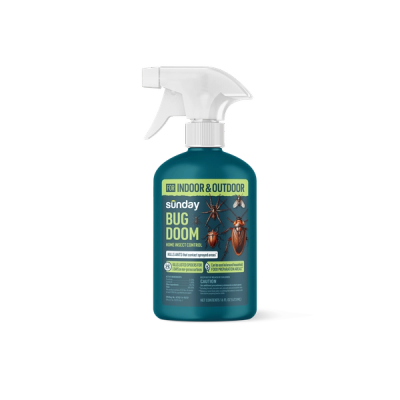
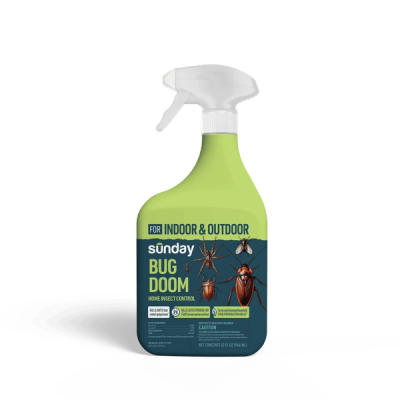
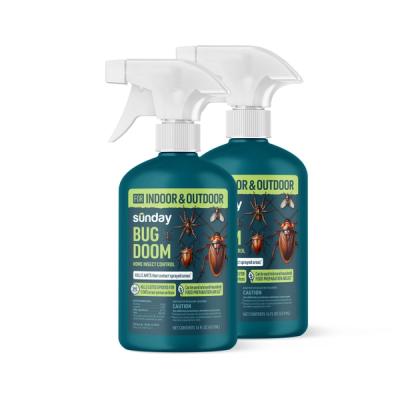
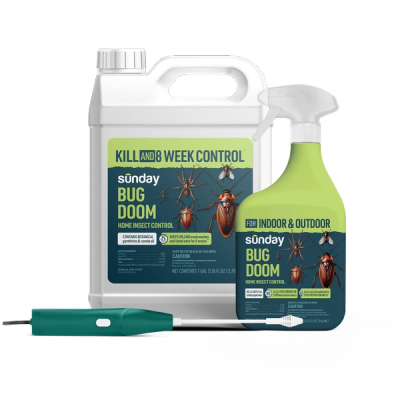
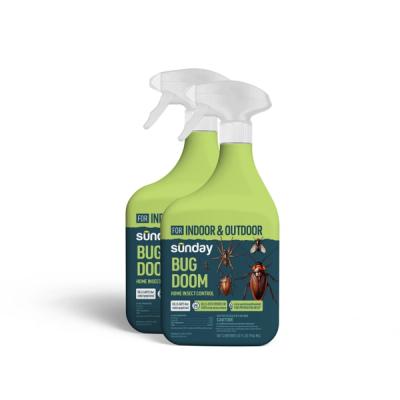
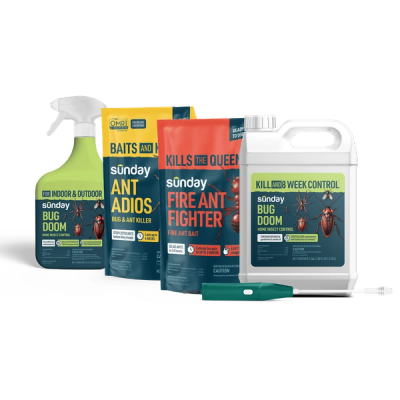
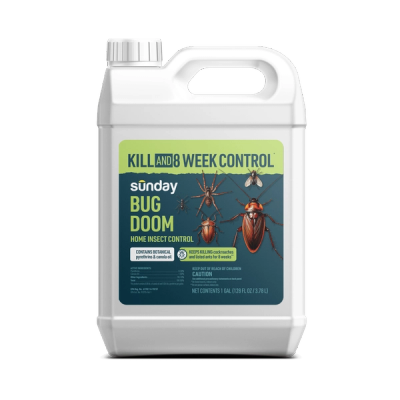
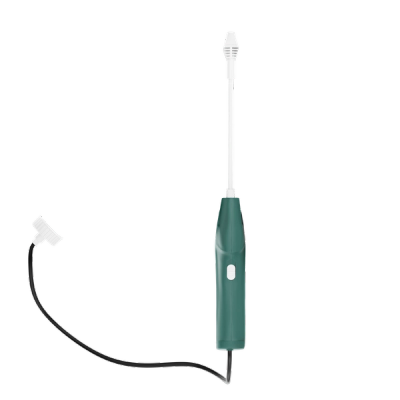
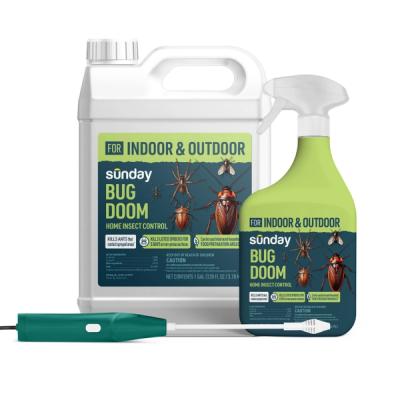
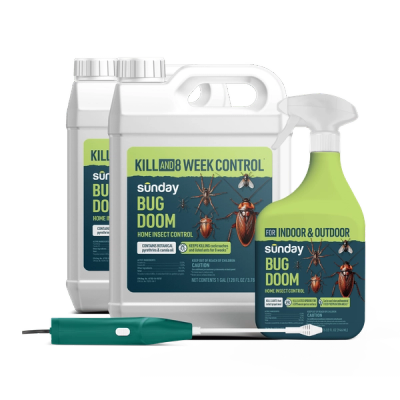
Barrier sprays combine pyrethrin with canola oil to create a perimeter barrier controlling ants, spiders, cockroaches, and beetles. The Bug Doom Home Insect Control Spray Gallon with Wand applies a barrier around your foundation, with indoor formulas available too.
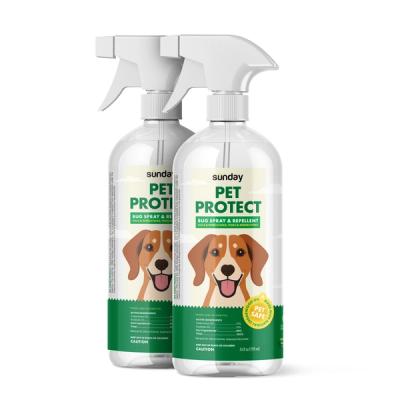
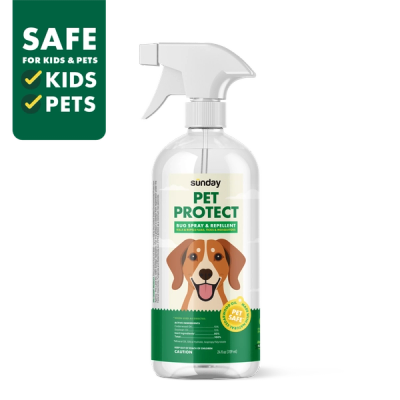
Pet-specific repellents use cedarwood and soybean oil to repel ticks and fleas on dogs for up to 1 week.
When to start your pest control routine
Most outdoor pests become active once temperatures hit 50 to 60 degrees consistently, so spring is the time to start. Here's a seasonal framework:
- Early spring (March to April): Apply your first tick treatment and lay down granular ant bait as colonies emerge
- Late spring (May): Begin mosquito spray applications as temperatures warm and moisture increases
- Summer (June to August): Maintain regular reapplication schedules, adjusting frequency during rainy periods
- Fall (September to October): Continue tick treatments through the first frost, since ticks stay active longer than most people expect
Best practices for effective yard pest control
- Mow regularly and remove tall grass and leaf litter to reduce tick and mosquito habitat
- Eliminate standing water in gutters, birdbaths, and planters where mosquitoes breed
- Apply in the evening or early morning when pollinators are less active
- Layer products by pest type rather than relying on a single general spray
- Stay consistent with reapplication for season-long results
Frequently asked questions about outdoor bug control
What type of pest control spray do I need for my yard?
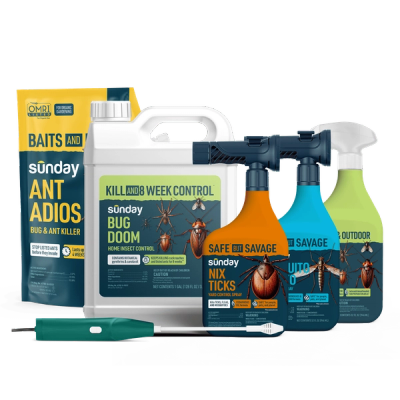
It depends on the pest. Mosquitoes respond best to plant-oil sprays (cedar and lemongrass blends) applied with a hose-end sprayer for broad lawn coverage. Ticks require a cedarwood oil formula targeting ground-level habitats like leaf litter and tall grass. For ants and crawling insects, a granular bait made with spinosad works differently, attracting pests to the bait rather than spraying directly. If you're dealing with multiple pest types, a Home & Yard Pest Control Kit combines targeted products so each pest gets the right active ingredient.
Can I use mosquito spray and tick spray at the same time?
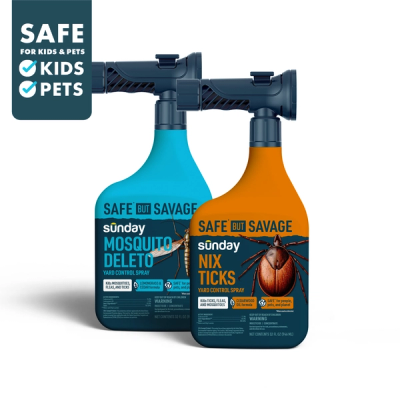
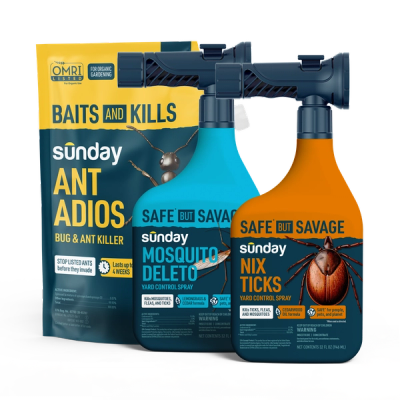
Yes. Mosquito and tick control products use different active ingredients and application methods, so they work well together. Apply mosquito spray to open lawn areas, shrubs, and patios. Apply tick spray to shaded borders, wooded edges, and ground cover where ticks are most active. Using both gives you layered protection across your entire yard. Many homeowners pair them with a Mosquito Deleto & Nix Ticks Mixed Pack.
How often should I reapply outdoor bug control products?
Reapplication timing varies by product and weather. Mosquito sprays need reapplication every 14 days in wet conditions and every 28 days in dry conditions. Tick sprays work best every 30 days after an initial reinforcement at day 7. Granular ant baits should be refreshed every 2 to 4 weeks depending on pest pressure. Consistent reapplication throughout the season is more effective than one-time treatments.
Are plant-based pest control sprays safe for pets and kids?
Plant-powered pest control sprays made with ingredients like cedarwood oil, lemongrass oil, and soybean oil are safe for kids and pets once dry. These formulas rely on botanical oils that target insects while posing minimal risk to people and animals. For dogs specifically, a dedicated Pet Protect Bug Spray & Repellent uses cedarwood and soybean oil to repel ticks and fleas for up to 1 week per application.
What is the difference between a pest control kit and a pest control subscription?
A pest control kit is a one-time bundle of products packaged to solve a specific problem, like a Crawling Pest Protection Kit. You buy it once and use it until it's gone. A pest control subscription delivers products on a recurring schedule sized to your property, so you never run out during peak season. Subscriptions are ideal for season-long mosquito and tick control. Kits work better for targeted, short-term needs.
You may also need
Pest control works best as part of a complete yard care routine. Explore these related categories to round out your setup:
- Mosquito Spray and Flying Bugs for dedicated mosquito coverage across your full yard
- Tick Spray for targeted tick protection along wooded borders and shaded areas
- Ant Bait for focused ant colony control in lawns and gardens
- Pest Control Kits for bundled solutions that cover multiple pest types at once
- Pest Control Subscription for season-long, property-sized delivery on a recurring schedule
- Garden Pest Control for protecting vegetables, flowers, and raised beds from insects
- Home Pest Control for indoor barriers against crawling pests
- Pet Products for flea and tick protection applied directly to dogs
- Lawn Care to build a healthier yard that's naturally less inviting to pests