



What is the difference between garden soil and potting mix?
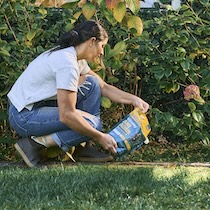
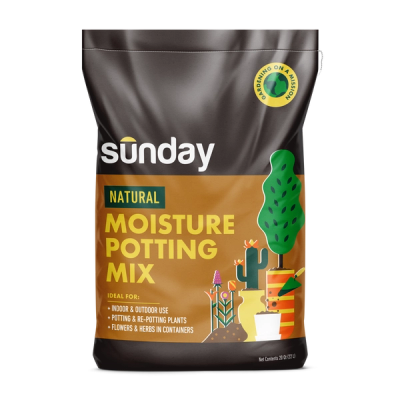
Garden soil is designed for in-ground planting and raised beds. It's heavier, retains moisture well, and blends with the native dirt in your yard. Potting mix is lighter and more porous, built for containers where drainage matters most. For outdoor beds, a Natural Garden Soil Mix made with sphagnum peat moss, sand, and ground limestone gives roots a solid foundation. For pots, a Natural Moisture Potting Soil Mix with coir and perlite holds just enough water without drowning roots.
What type of soil is best for raised garden beds?
Look for a garden soil with peat moss, sand, and organic matter. That combination holds moisture, drains well, and gives roots room to spread. Fill your beds to about 2 inches below the rim to leave space for mulch. If beds are deeper than 12 inches, mix garden soil with compost in a 60/40 ratio to keep nutrients high.
How do I know if my garden soil needs to be amended?
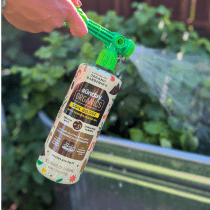
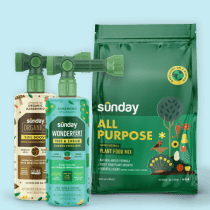
Yellowing leaves, stunted growth, and poor fruit production often point to nutrient gaps or pH imbalance. A Garden Soil Test Kit & Analysis takes the guesswork out by measuring nutrient levels and pH so you know exactly what to add. If your soil tests low in organic matter, a liquid amendment like Sunday Organics Soil Booster made with vermicompost can improve microbial activity and help roots absorb nutrients more efficiently.
Can I use garden soil in containers or pots?
It's not ideal. Garden soil compacts inside pots, which limits drainage and can suffocate roots. Containers need a lighter mix with ingredients like perlite and coir that keep airflow steady. If you only have garden soil on hand, mixing it 50/50 with perlite can improve drainage for short-term use. For best results, choose a potting mix formulated for containers.
When should I start seeds indoors, and what soil should I use?
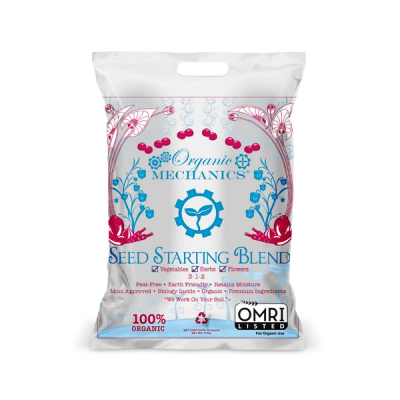
Start most vegetable and flower seeds indoors 6 to 8 weeks before your last frost date. Seed starting requires a fine, lightweight mix that holds moisture without compacting around delicate sprouts. An Organic Mechanics Seed Starting Blend Potting Soil made with coco coir, rice hulls, and worm castings gives seedlings the gentle structure they need. Keep trays in a warm spot (65 to 75 degrees) and mist daily until sprouts appear.
Choosing the right garden soil
Great gardens start with what you can't see. The soil you choose affects how well roots grow, how efficiently plants absorb water, and how much nutrition reaches your vegetables, herbs, and flowers throughout the season.
Not every soil works for every situation. In-ground beds, raised beds, containers, and seed trays each have different needs. When shopping, pay attention to ingredients. Peat moss holds moisture. Perlite and coir improve drainage. Worm castings add slow-release nutrients. The right pick depends on where you're planting and what you're growing.
Types of garden soil
In-ground garden soil. A heavier mix that plays well with the dirt already in your yard. Ideal for vegetable gardens, flower beds, and herbs planted directly in the ground.
Potting soil for containers. A lighter, well-draining mix built for pots, window boxes, and hanging baskets. Keeps moisture and airflow in balance so roots stay happy.
Seed starting mix. A fine-textured blend for sprouting seeds indoors or in trays. Gives seedlings the gentle start they need before moving outside.
Soil amendments. Products that improve existing soil rather than replace it. Liquid and granular options add organic matter, beneficial microbes, and nutrients to tired or compacted ground.
Seasonal soil tips
Spring (March through May). Test your soil before planting season. Amend based on results, then fill or top off raised beds. Start seeds indoors 6 to 8 weeks before last frost.
Summer (June through August). Add 2 to 3 inches of mulch to retain moisture during hot stretches. Water deeply in the morning to reduce evaporation.
Fall (September through November). Work compost or a soil amendment into beds after harvest. This gives organic matter time to break down over winter.
Winter (December through February). Plan next year's garden and order soil and supplies so you're ready when the ground thaws.
Best practices for garden soil
- Test before you amend. A soil test tells you exactly what your garden needs so you're not adding nutrients blindly.
- Match soil to the project. Use garden soil for beds, potting mix for containers, and a dedicated blend for seed starting.
- Refresh beds annually. Top off raised beds with 1 to 2 inches of fresh soil or compost each spring.
- Store soil properly. Keep unused bags sealed in a dry, shaded area to prevent mold.
You may also need
Once your soil is ready, pair it with the right nutrients and tools for a productive growing season.
- Plant Food to feed your vegetables, herbs, and flowers throughout the season.
- Garden Pest Control to protect plants from common insects and critters.
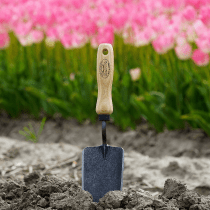
- Garden Tools for planting, pruning, and maintaining your beds.
- Garden Kits that bundle soil, plant food, and tools for a complete setup.
- Build a custom lawn plan to keep your yard healthy alongside your garden.