


Buy 2, Save 10%
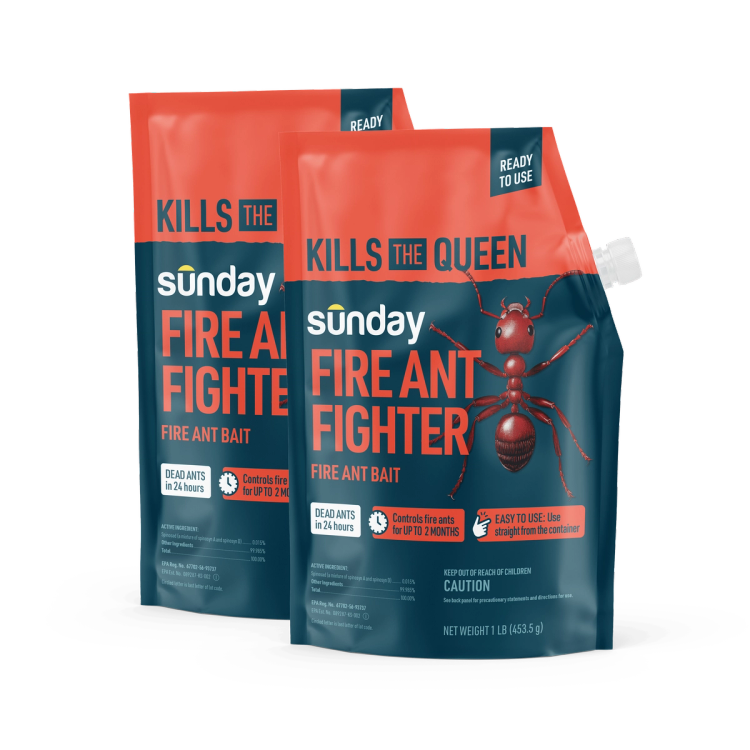
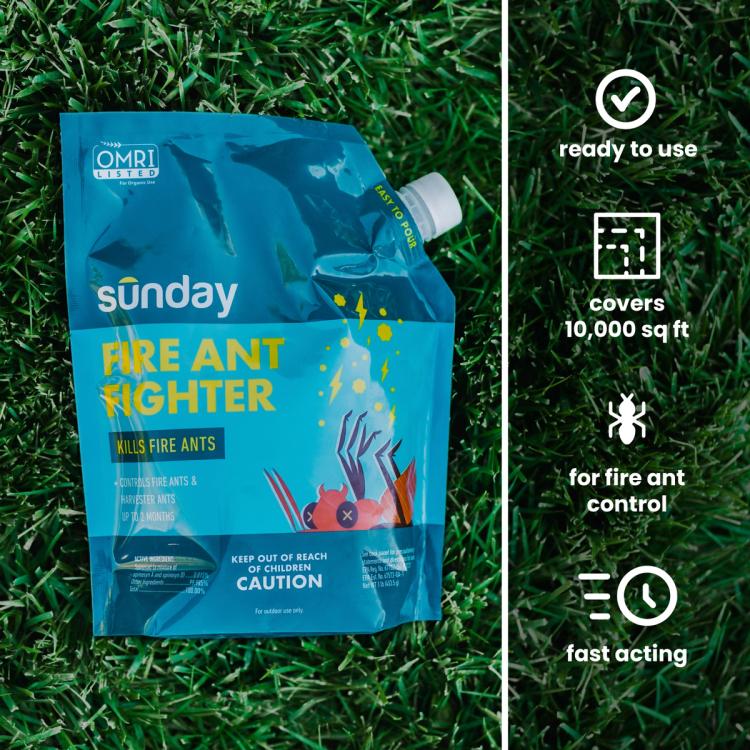
Prevent mounds. Kill the colony.
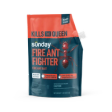
A bio-based ant killer powered by spinosad that baits and kills fire and harvester ants, then controls the colony at the source fast.

Wondering what your lawn really needs?
Let's create a custom plan for you.

We're committed to making sure Sunday works for you and your home. Need a replacement? Or help troubleshooting an issue? Our experts are here for you. Learn more
Related products
Buy 2, Save 10%
Fight fire with fighter
Our easy-to-use bait is so attractive to fire and harvester ants that they do the heavy lifting themselves, carrying it to the nest as food. Powered by naturally occurring spinosad, it controls ants around your home, garden, and lawn—without persisting in the environment. Within days, the queen goes down and the mound follows.
One application. Ants handle the rest.
The good stuff inside
- Bio-based ant bait No harsh pesticides
- Spinosad-powered Derived from naturally occurring soil bacteria
- Colony control Kills the queen and workers in 3–14 days
- Fast uptake Bait activity starts in 24–36 hours
- Long-term prevention Helps stop new mounds for up to 2 months
- Formulated for fire and harvester ants in the South
How to use
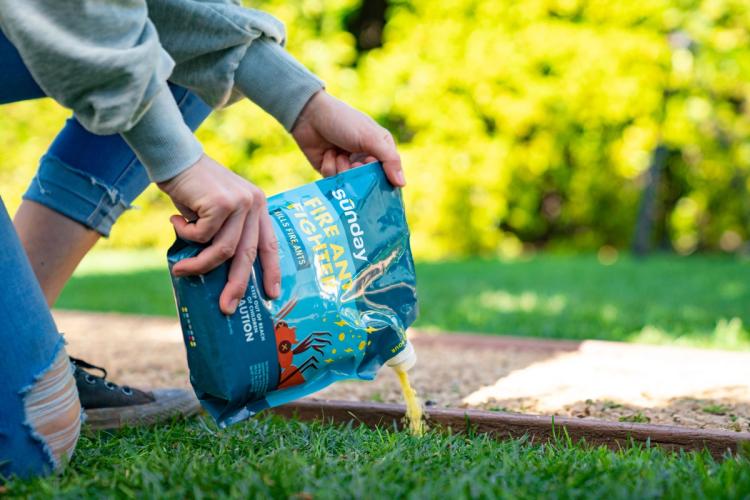
Apply when ants are active, in dry conditions typically above 60°F, early morning or late evening.
- For mounds: sprinkle 4 tablespoons around small mounds, 6 tablespoons around large ones.
- For prevention: broadcast ⅓ to ⅔ cup per 1,000 sq ft.
- Keep bait dry. Do not water in. Let ants carry it home.
For heavy infestations, reapply as needed. For prevention in warmer months, broadcast every other month to keep new mounds from forming.

Fire Ant Fighter Instructions
Good news: You don't need scary chemicals to control fire ants! This cutting-edge formula uses spinosad, a biopesticide derived from a naturally occurring soil bacterium, to control fire ants and harvester ants. When bait is carried back to the nest as food, it kills the entire colony (including the queen) within 3 to 14 days.
Read article