Why fall is the ideal fertilizing season for cool season lawns
As days get shorter and temperatures drop, grass stops putting energy into leaf growth and starts building root mass and storing carbohydrates for winter. A fall feeding lands right when the plant is best set up to use it: less mowing to keep up with, more nutrients going straight into roots to carry the lawn through freezing temperatures and come back stronger in spring.
Skip fall feeding and a lawn enters winter thinner, with less stored energy. That's the lawn that comes out patchy, pale, and slow to green up in April.
What's actually in a good fall fertilizer
Most people asking about fertilizer want to know what the numbers on the bag mean. Here's the short version:
- Nitrogen (N) feeds growth and green color. In fall, this is key to support root growth, but balance is important. Too much, too late in the season makes the grass focus on blade growth instead of roots. Moderation is key.
- Phosphorus (P) supports root development, but your soil usually has plenty so only add more if a soil test shows a deficit.
- Potassium (K) helps the plant handle cold and stress, but your grass will pull this from the soil too. Too much may increase the risk of disease in the spring, so make sure to keep this a bit lower for the fall.
A fall formula built around root strength and stress tolerance, rather than a generic all-season blend, is doing a different job than a spring feeding. That's the difference between a fertilizer that greens grass up fast and one that's actually preparing it for winter.

Slow release vs. quick release, and why you might want both
Slow-release fertilizer breaks down slowly over weeks, feeding the lawn steadily instead of all at once. That's ideal for the kind of deep, patient nutrition roots need before dormancy. Timing matters here. Ideally you want the fertilizer to be fully broken down and absorbed before the hard frost arrives. Quick-release liquid feeding works faster and is better suited when you want results in days, not weeks. If the year got away from you, and that frost is coming up quick, choose a quick-release formula that will be absorbed and used up before the frost.
Most lawns benefit from both formulas at different points in the season rather than picking one formula and sticking to it all year.
A word on iron
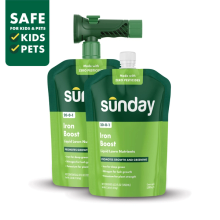
If the goal is a darker green lawn without pushing a lot of new growth (which matters more than ever heading into winter, since new growth is very susceptible to frost), adding iron may be a better choice than adding more nitrogen. Iron deepens color without triggering excess growth like more nitrogen does, which is why it's a common add-on for anyone chasing color in fall without extra mowing.
Getting the amount right
Application rate matters more than people think. Too little and the lawn doesn't get the root-building boost it needs before winter. Too much, and excess nutrients can run off instead of being used. Following the recommended rate for your actual square footage, not just spreading until the bag is empty, is what separates a fertilizer that works from one that just gets used up.
The bottom line
Fall feeding is the one lawn task that's easy to skip because the payoff shows up months later, in a lawn that greens up faster and thicker next spring instead of limping out of winter. A soil-informed plan, built around what your lawn actually needs heading into dormancy, sets you up for success so you're not playing catch up in April.
Let's get growing
Find out what your lawn needs and when with your custom lawn plan