






Keep your lawn hydrated the right way
A thick, green lawn starts below the surface. When roots get steady, deep moisture, they grow stronger and more resilient to heat, drought, and foot traffic. The right lawn watering tools make that easier by delivering water evenly and on schedule, so you're not standing in the yard guessing whether you've done enough.
Whether you're working with a small patch of turf or a sprawling backyard, matching your Irrigation Tools setup to your lawn's size and needs is the simplest way to get better results with less effort.
Types of lawn watering tools and how to choose
Picking the right gear comes down to your lawn size, your schedule, and how hands-on you want to be. Here's what works.
Garden hoses
Your hose is the backbone of any watering setup. Look for kink-resistant construction and a 5/8" diameter for strong, consistent water flow. The Gilmour Flexogen 50' Heavy Duty Hose gives you 50 feet of kink-resistant reach for small to mid-size yards, while the WaterRight 500 Series Garden Hose 100 Foot covers larger properties with a durable, lightweight build.
Lawn sprinklers
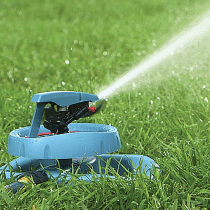
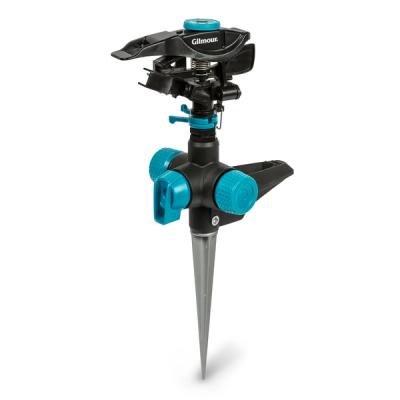
For even coverage across bigger areas, a circular sprinkler with adjustable spray patterns can reach up to 43 feet in every direction. The Gilmour Pattern Master Circular Sprinkler lets you customize the spray shape, which is great for odd-shaped lawns or avoiding sidewalks and driveways.
Watering timers
Timers take the forgetting out of watering. The Gilmour Electronic Dual Outlet Watering Timer lets you program start times, duration, and frequency for two hoses at once, plus it has a Rain Delay feature so you're not watering after a storm.
Smart sprinkler controllers
If you want to automate your irrigation and save water at the same time, a smart sprinkler controller adjusts watering based on weather forecasts and local conditions. The Rachio 3 Smart Sprinkler Controller, 8 Zone manages up to eight watering zones from your phone and adjusts automatically for rain.
When and how to water your lawn
Timing matters more than most people think. Water early in the morning or after 10 p.m. to reduce evaporation and give your lawn time to absorb moisture before the heat kicks in.
- Frequency: Water 1 to 2 times per week with deep, thorough soaking rather than light daily sprinkles. Deep watering encourages roots to grow down instead of staying shallow near the surface.
- Duration: Run your sprinkler for about 30 minutes per zone to deliver roughly 1 inch of water per week (including rainfall).
- Spring audit: At the start of each growing season, set out a few rain gauges or tuna cans around your yard while the sprinkler runs. This tells you exactly how much water each area is getting and where you might need to adjust.
- Conservation tip: Pairing a Gilmour Mechanical Single Outlet Watering Timer or smart controller with your existing setup can cut monthly water usage by 30 to 50 percent. Many cities even offer rebates for upgrading to smart irrigation.
Sunday's approach to lawn irrigation
At Sunday, we think about watering the same way we think about feeding your lawn. It's not just about keeping grass green on top. It's about building deeper roots, healthier soil, and a yard that bounces back from summer heat and winter dormancy.
That's why our irrigation collection focuses on tools that help you water smarter, not just more. From kink-resistant hoses and precision sprinklers to programmable timers and weather-aware controllers, every product is chosen to make consistent, efficient watering feel simple. Pair these tools with a Drought Defense Lawn Treatment (2-pack) to help your soil hold moisture longer between waterings.
Frequently asked questions about lawn watering tools
How do I choose the right garden hose length for my lawn?
Measure the distance from your spigot to the farthest corner of your yard. A shorter hose like the WaterRight 500 Series Garden Hose 25 Foot works well for small lawns, while a 100-foot option gives you full reach on larger properties. It's better to go slightly longer than you think you need so you're not stretching or straining the hose. Also consider diameter, as a 5/8" hose delivers stronger flow for sprinklers and attachments.
What is the difference between a smart sprinkler controller and a watering timer?
A watering timer lets you set a fixed schedule for when and how long your sprinkler runs. A smart controller goes further by pulling in local weather data, adjusting automatically for rain, and letting you control everything from your phone. If you want a set-and-forget experience that also saves water, a weather-aware controller is the better choice.
How long should I run my sprinkler to water my lawn deeply?
About 30 minutes per zone, 1 to 2 times per week. The goal is roughly 1 inch of water per week from irrigation and rain combined. You can check your output by placing a few small containers around your yard while the sprinkler runs and measuring the water level after 30 minutes.
What type of lawn sprinkler works best for large yards?
The Gilmour Medium Duty Circular Sprinkler has a 43-foot reach and adjustable spray patterns, making it ideal for covering large, open areas. Look for models that let you customize the pattern so you can avoid watering sidewalks, driveways, or garden beds.
Can a smart sprinkler controller help save water?
Yes. Smart controllers adjust your watering schedule based on real-time weather, skipping cycles when rain is in the forecast. Homeowners who switch typically see a 30 to 50 percent reduction in water usage. Many local water utilities also offer rebates for installing one, which can help offset the upfront cost.
Explore more from Sunday
Great watering is just the start. Pair it with the right nutrients, seed, and protection for a yard that looks great all season.
- Browse Lawn Care products for fertilizers and seasonal treatments
- Find the right Grass Seed for your region and sun exposure
- Keep weeds in check with Weed Control solutions
- Protect your turf from grubs and pests with Lawn Pest Control
- Stock up on Garden Tools for planting and maintenance
- Get a custom lawn plan built around your soil, climate, and goals