





















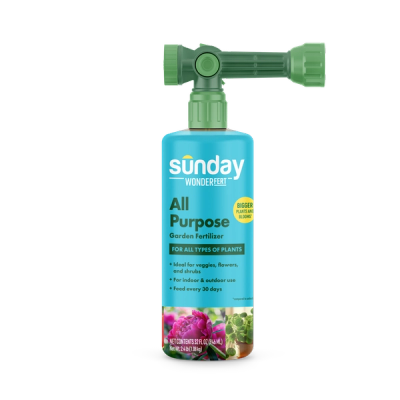

What to look for in a plant food for your garden
If you're shopping for plant food, you're already one step ahead. Feeding your plants the right nutrients is one of the simplest ways to get bigger blooms, more vegetables, and the kind of garden that makes your neighbors slow down when they walk by. But not every plant food is the same, and knowing what to look for makes a real difference.
Here are the key ingredients that help your garden thrive:
- NPK ratios: Nitrogen, phosphorus, and potassium are the three core nutrients every plant needs. The numbers on the label (like 5-4-4) tell you how much of each is inside. Different plants benefit from different ratios.
- Soy protein: Feeds your plants steadily for weeks instead of one quick burst, so you're not reapplying every weekend.
- Rock phosphate: Helps roots grow deep and strong, which means more tomatoes and bigger harvests above ground.
- Potash magnesium: Helps your plants bounce back from heat waves, wind, and heavy rain, the stuff that usually sets them back.
- Seaweed extract: Packed with micronutrients and growth-promoting compounds that support overall plant vitality and soil health.
How to choose the right plant food for your garden
The best outdoor plant food depends on what you're growing and how you like to apply it. Some formulas work across your entire garden, while others are built for specific plants. Here's a quick look at the options:
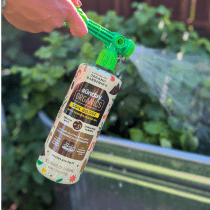
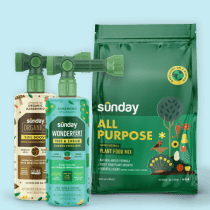
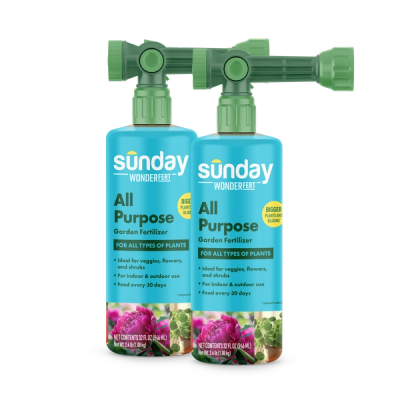
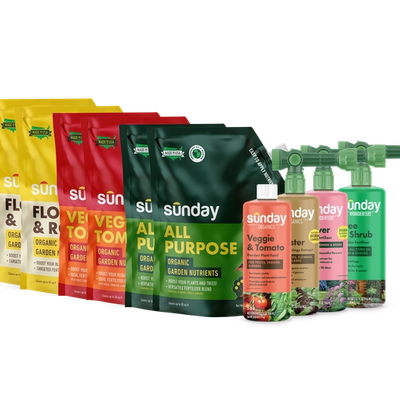
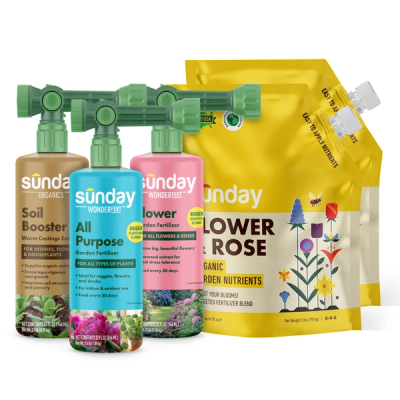
- WonderFert All-Purpose Liquid Garden Fertilizer: Covers flowers, veggies, trees, and shrubs indoors and out. One bottle handles up to 500 sq ft, so it goes a long way.
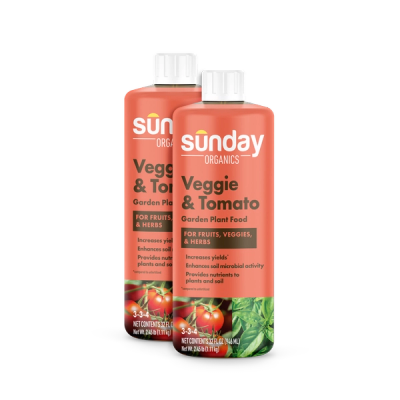
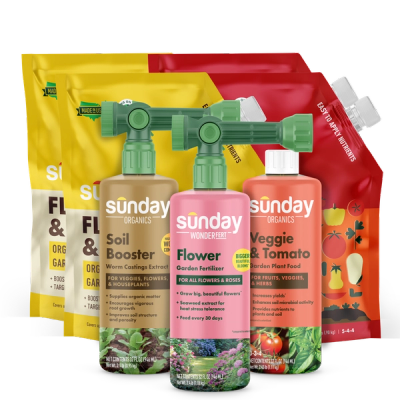
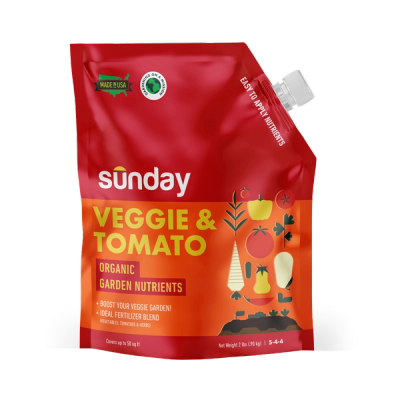
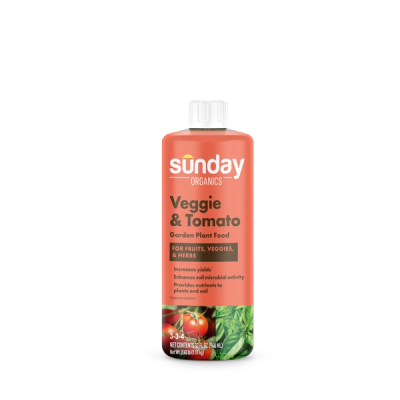
- Veggie & Tomato Organic Garden Fertilizer: Built for backyard vegetable gardens, with a balanced 5-4-4 NPK blend that feeds for 4 to 6 weeks. OMRI-listed.
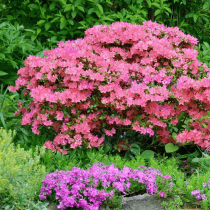
- Flower & Rose Organic Garden Fertilizer: Designed to help your flower beds put on a show, with a 4-4-6 NPK ratio and extra potassium for bigger, more vibrant blooms.
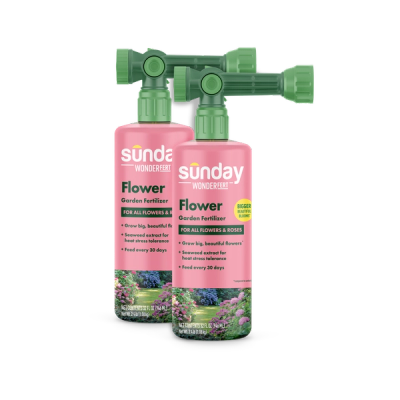
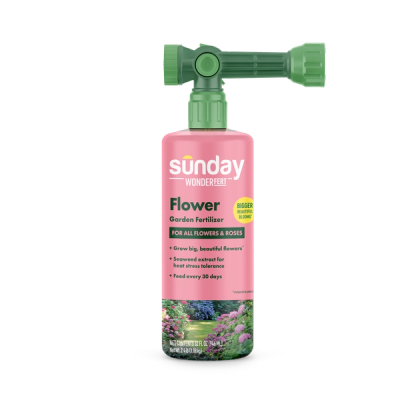
- WonderFert Flower Garden Fertilizer: Encourages strong blooming indoors and out, with a 3-8-7 NPK ratio, high phosphorus, and seaweed extract.
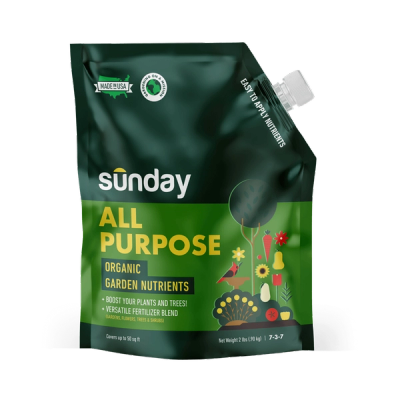
- All-Purpose Organic Garden Fertilizer: One bag for all your outdoor plants. Simple to apply and effective across your garden beds.
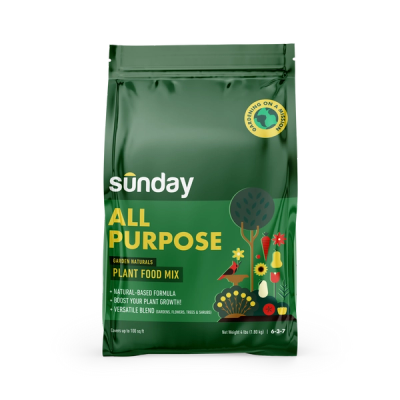
- Sunday All-Purpose Plant Food Mix: A solid pick when you want one product that covers the basics, with a 6-3-7 NPK blend for strong root growth.
Not sure which one fits? Think about whether you prefer the convenience of a liquid or the long-lasting feed of a dry formula, and go from there.
When and how to apply plant food for the best results
Timing matters just as much as what you feed your garden. Here are a few guidelines to get the most out of your garden fertilizer:
- Start in spring once your soil has warmed up, and keep feeding through fall.
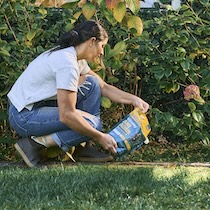
- Dry fertilizers: Reapply every 4 to 6 weeks. Work the granules into the top few inches of soil at planting time for the best results.
- WonderFert liquids: Apply every 4 to 6 weeks throughout the growing season.
- Sunday Organics liquids: Apply every 1 to 2 weeks for mature plants. For new plantings or starters, apply weekly to help them establish.
- Skip the extreme heat. Avoid fertilizing during heat waves or drought, since stressed plants can't absorb nutrients well.
Consistency is the real secret here. A regular feeding schedule does more for your garden than one heavy application ever will.
Why Sunday takes a different approach to plant food
Sunday's garden fertilizers are formulated with ingredients like soy protein for slow-release feeding, rock phosphate for root growth and fruit production, and potash magnesium for resilience. Instead of relying on quick fixes, these blends are designed to build long-term soil health so your plants keep getting stronger over time.
The Sunday Organics line is OMRI-listed, and the dry nutrient fertilizers are both OMRI-listed and CDFA-approved. They're formulated without pesticides, so you can feel good about what you're putting in your garden beds.
Gardeners love pairing Sunday plant food with their veggie, herb, and flower gardens, and the results speak for themselves season after season.
Ready to give your garden the nutrients it needs? Explore the full plant food lineup and find the right fit for what you're growing.
Common questions about plant food
What is the difference between liquid and granular plant food for gardens?
Liquid plant food absorbs quickly through roots and leaves, making it ideal for mid-season boosts when your plants need fast results. Granular (dry) formulas release nutrients slowly over several weeks, and they work best when mixed into the soil at planting time. If you want quick greening and visible results, go liquid. For steady, low-maintenance feeding, dry is the way to go.
Which plant food works best for vegetables like tomatoes and peppers?
Look for a dedicated vegetable formula with a balanced NPK ratio like 5-4-4 or 3-3-4. OMRI-listed options give you confidence that the ingredients meet strict growing standards. A dry blend feeds steadily for weeks, while a liquid formula made from upcycled ingredients absorbs quickly for a mid-season boost. Either way, match the product to your growing setup and apply consistently.
How often should I reapply plant food during the growing season?
It depends on the formula. Dry fertilizers typically need reapplication every 4 to 6 weeks. WonderFert liquid formulas follow a similar schedule. Sunday Organics liquids are applied more frequently, every 1 to 2 weeks for established plants. Start feeding in spring once the soil warms up and continue through fall for the best results.
Can I use the same garden fertilizer on flowers, vegetables, and shrubs?
Yes. An all-purpose liquid formula can cover flowers, veggies, trees, and shrubs in a single product. That said, specialized formulas with tailored NPK ratios can deliver more targeted results for specific plants. If you're growing a mix of everything, starting with a versatile option keeps things simple.
Is organic plant food effective enough for a productive vegetable garden?
It can be very effective. Sunday's OMRI-listed options are also CDFA-approved, meaning they meet strict growing standards. Formulas made from upcycled ingredients deliver balanced NPK ratios that feed your veggies over time. Dry OMRI-listed fertilizers provide steady nutrition for 4 to 6 weeks per application, keeping your garden productive throughout the season.
Complementary products for your garden
Plant food is just one piece of a thriving garden. Here are a few related categories worth exploring:
- Garden Pest Control: Protect your plants from aphids, slugs, and other pests while they grow.
- Garden Soil: Healthy soil is the foundation for effective plant food. Start with the right mix and your fertilizer works even harder.
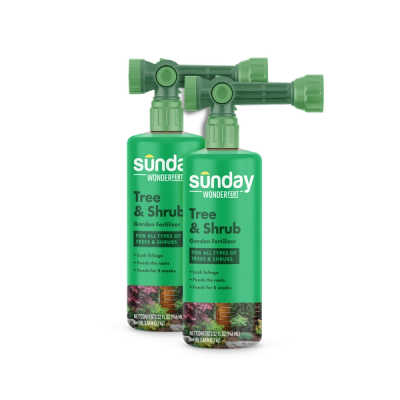
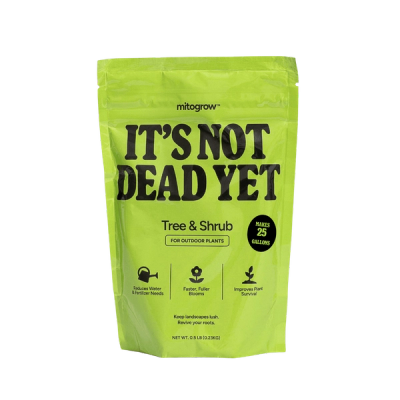
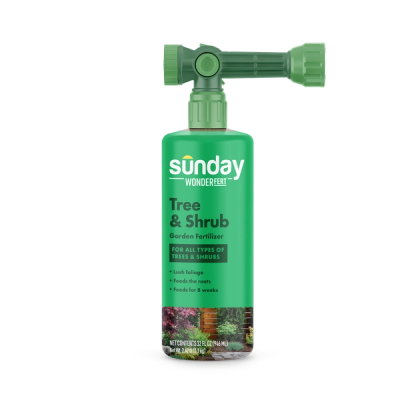
- Tree & Shrub: Extend your feeding routine to landscape plants, evergreens, and fruit trees.
- Garden Tools: Trowels, pruners, and weeders to keep your garden maintained all season.
Want a plan that brings it all together? Build a custom lawn plan tailored to your yard.