





How to pick the right garden tools for every job in your yard
Whether you're breaking ground on a new bed or finally tackling that overgrown corner, having the right garden tools makes all the difference. The good stuff feels better in your hands, lasts longer, and honestly just makes the work more fun. Here's what to look for when you're shopping.
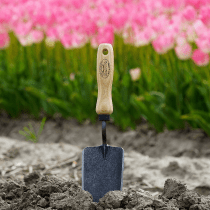
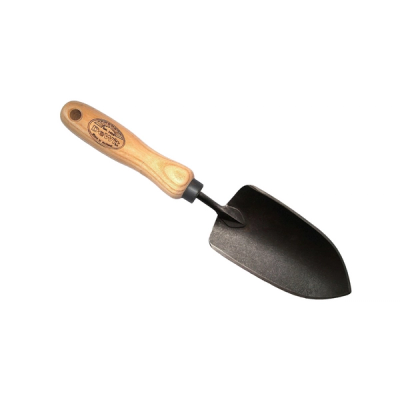
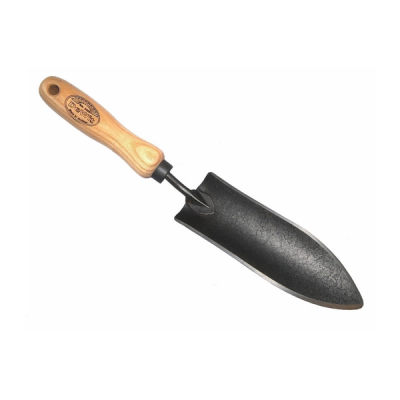
- Material and construction: Forged steel blades hold an edge and cut through compacted soil without bending. The DeWit Forged Hand Trowel is a great example, made from Dutch forged steel that slices right through tough, packed dirt.
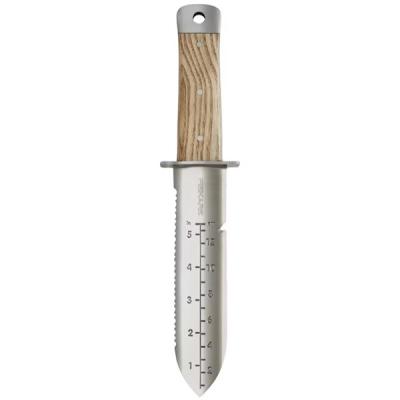
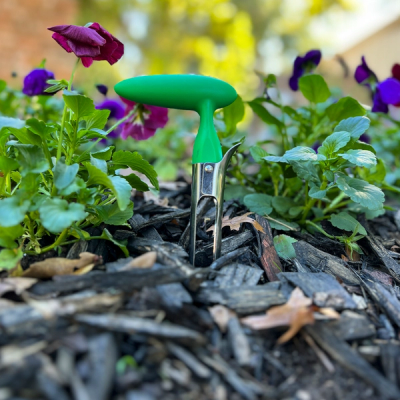
- Versatility: Some tools pull double or triple duty. The Fiskars Hori Hori Planting Tool has a multitasking blade that digs, cuts roots, and even measures planting depth with etched markings on the blade.
- Comfort and grip: If your hands are sore after 20 minutes, that tool isn't working for you. Look for soft-touch handles and ergonomic designs, especially if you're spending a full afternoon in the garden.
- Weight and balance: A well-balanced tool lets you work longer without fatigue. Pick it up, feel how it sits in your hand, and trust your gut.
Garden tools for every task: which type do you actually need?
There's no shortage of gardening tools out there, but you don't need a shed full to get started. Here are the main types and what they're best at.
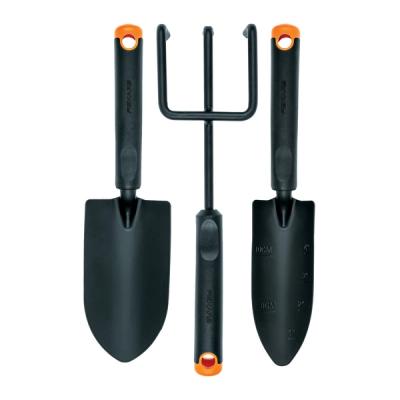
- Hand trowels and planting tools: Your everyday digging companions. The Fiskars Softouch Garden Tools (3-pc. Set) comes with soft grips that reduce hand fatigue, so you can plant all afternoon without paying for it the next morning.
- Transplant trowels: Narrower than a standard trowel, these are built for moving seedlings without disturbing their roots. The DeWit Forged Transplant Trowel has a slim blade that slides right in beside delicate root systems.
- Hedge shears and pruners: For shaping shrubs and trimming back overgrowth. The Fiskars Power-Lever Softgrip Hedge Shears use a geared action that doubles your cutting power, which your arms will thank you for.
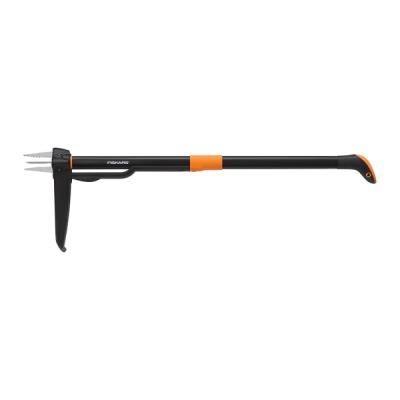
- Weed pullers: Nobody loves weeding, but the Fiskars 4-Claw Stand-Up Weed Puller lets you grab dandelions and deep-rooted weeds while standing. Your back will appreciate this one.
Start with the basics and add tools as your garden grows. You'll know what you need when you need it.
When and how to use your garden tools throughout the season
Timing matters almost as much as technique. Here are a few tips to help you get the most out of your gardening tools all season long.
- Spring planting: Wait until soil temperatures hit 50 to 60 degrees, which is usually two to four weeks after your last frost. Cold soil slows root growth, so patience pays off.
- Weeding: Pull weeds after a good rain. Moist soil releases roots much easier, so you'll get the whole plant instead of snapping it off at the surface.
- Pruning: Trim flowering shrubs right after they bloom. Pruning too early can cut off next year's flowers before they even get started.
- Tool maintenance: Clean your garden hand tools after each use. A quick wipe-down prevents rust and keeps blades sharp, which means less effort every time you use them.
Why Sunday curates garden tools you can count on
Sunday doesn't try to stock every garden tool out there. Instead, Sunday's team of yard care experts picks a curated selection of planting tools and gardening tools from trusted brands like Fiskars and DeWit. Every tool on the site is vetted for quality, durability, and real-world performance.
The Pro D-Handled Transfer Shovel brings an ergonomic grip to the heavy lifting, whether you're moving soil, mulch, or compost. And the Fiskars Traditional Bypass Pruner makes clean cuts on stems up to 5/8 inch, which helps your plants heal faster and stay healthy.
Most customers start with a core set of tools and add more as their garden expands. That's the beauty of building your collection over time: you invest in what you actually use.
Ready to dig in? Browse the collection and find the tools that fit your yard.
Frequently asked questions about garden tools
What is a hori hori knife and when should you use one in the garden?
A hori hori is a Japanese gardening knife with a sturdy, versatile blade. It digs planting holes, cuts through roots, and even measures planting depth with etched markings along the blade. The serrated edge handles roots and small branches, making it one of the most versatile tools you can keep in your garden bag.
How do you remove deep-rooted weeds without kneeling or bending over?
A stand-up weeder with a multi-claw design lets you grab dandelions and other deep-rooted weeds while standing upright. You step on the foot plate, push the claws into the soil around the weed, and pull straight up. It gets the whole root so the weed doesn't grow right back.
Which garden tools do you need for planting seedlings and transplanting?
A transplant trowel with a narrow blade is your best bet for moving seedlings. The slim profile slides into the soil without disturbing nearby roots. For planting bulbs and general digging, a standard hand trowel gives you more width and leverage. Having both covers most planting tasks.
How do you choose between a hand trowel and a transplant trowel?
A hand trowel is your go-to for general digging, scooping soil, and planting bulbs. A transplant trowel has a narrower blade designed specifically for moving seedlings without disturbing their root systems. If you do a lot of transplanting, it's worth having both.
What is the best way to clean and maintain garden tools between uses?
Knock off loose soil after each use and wipe the blades with a damp cloth. For sap buildup, rubbing alcohol works well. Dry your tools completely before storing them in a dry spot. Once or twice a season, oil the metal parts and sharpen the cutting edges to keep everything in top shape.
Pair your garden tools with everything your yard needs
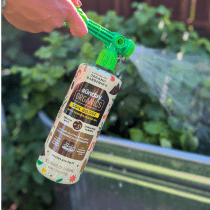
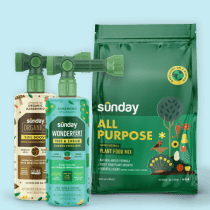
- Plant Food: Feed your garden after planting to give new roots the nutrients they need to establish and thrive.
- Garden Pest Control: Protect your plants from aphids, slugs, ants, and other pests that love a fresh garden just as much as you do.
- Garden Soil: Build healthy beds for planting with soil that's rich in the good stuff your plants crave.
- Garden Kits: Bundle tools and plant food together for a complete garden setup that takes the guesswork out of getting started.
Want a plan that brings it all together? Build a custom lawn plan tailored to your yard.