


Iron-based pre-emergent (FeHEDTA) works differently than conventional options—it causes oxidative stress in broadleaf weeds and moss while grass absorbs the iron as a beneficial nutrient, resulting in a greener lawn.
Did you know?
Conventional pre-emergent weed and feed products leave harsh pesticides in your soil for up to 20-30 weeks, interfering with any seed germination and establishment, including grass seed. This also means you and your family are exposed to these chemicals anytime you use the lawn - and it's not even optimal to apply fertilizer and weed control together. What a waste!
Sunday takes a different approach to weed control, using an iron based pre-emergent during the peak weed germination window. The low-residual formula helps reduce weeds that are able to establish, but it breaks down after a few weeks, reducing the chemicals that are present in your lawn, and allowing grass seed to germinate and establish to fill in thin areas of the lawn.
Feeling ready to make the switch to Sunday's iron-based pre-emergent? We thought you'd never ask!
Transitioning from "weed and feed" to Sunday preemergent
Address underlying issues
First, identify what's making your lawn weed-friendly. Test your soil and fix these foundational issues before applying any weed control product. The perfect weed conditions are typically due to:
Test your soil** and fix these foundational soil and lawn care issues before expecting any weed control product to deliver lasting results.**
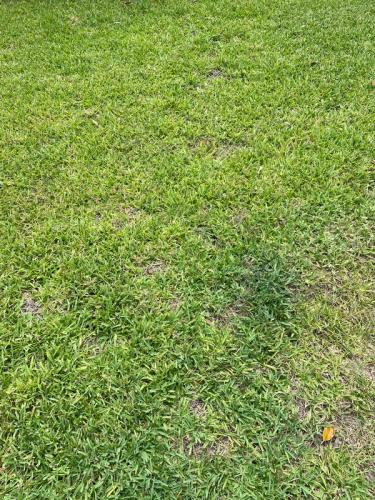
Apply Weed & Green Pre-emergent
If switching from a conventional weed and feed product or preemergent application in the same season, follow the recommended application wait periods on the manufacturer's packaging.
Weed & Green Pre-emergent Instructions
- Shake well and attach the sprayer to the hose.
- Turn on water, open valve, and apply across your lawn.
- Allow lawn to dry before returning to use or play.
- Reapply in the same lawn area in 3-6 weeks, no more than 2x per year.
Our Weed & Green Hose-End Spray uses iron (FeHEDTA) instead of harsh pesticides. This selective herbicide is safe for lawn use, prevents new weeds while killing existing ones - and greens up your lawn.
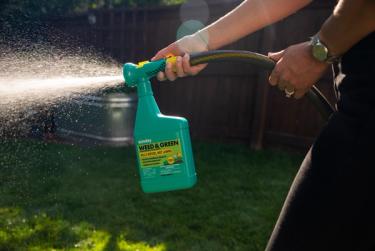
Weeds Controlled by Iron-Based Pre-Emergent
Sunday's iron-based formula effectively controls:
- Crabgrass
- Dandelion
- Oxalis
- White clover
- Chickweed
- Thistle
- Plantain
- Moss
- Algae
Re-establish grass in problem areas
Thin or bare spots are weed magnets. Overseed these areas with quality grass seed like our Fescue Rescue or Bermuda Time seed blends.
The best weed prevention is dense, healthy grass that can naturally outcompete unwanted plants like weeds.

Sunday Tip:
Most weed-prone areas will need routine overseeding annually (at least 1-2x per season) until the grass is able to crowd out new weeds on it’s own. This ongoing investment in your lawn's health pays dividends in reduced weed pressure over time.

Weed as needed
Some weeds will still make it through during your transition to better pre-emergent. Keep Sunday's weed-killer spot treatments on hand for when they do.
For lawn areas
- Dandelion Doom: our selective, post-emergent iron-based herbicide
- Weed & Green: it's dual use and can be applied as a post-emergent application for lawns later in the season.
For hardscapes and garden beds
- Weed Warrior: our non-selective, non-staining, organic herbicidal soap
Sunday Tip:
How to manage weeds in the Sunday way: 1. Remove the flowers before spot-treating to protect pollinators. 2. Hand-pull any weeds over 5 inches tall to limit pesticide use. 3. Treat weeds when they're small for the most effective control.
Key Takeaways
- Expect a transition period: It typically takes 1-2 seasons to fully transition from conventional pre-emergents as your lawn ecosystem rebalances.
- Conventional products persist longer: Synthetic pre-emergents stay in soil 20-30 weeks, while iron-based alternatives break down faster and require more frequent application.
- Iron-based formulas offer dual benefits: FeHEDTA controls weeds through oxidative stress while simultaneously greening your lawn as grass absorbs the iron as a nutrient.
- Overseeding is essential: Establishing dense, healthy grass during transition is your best long-term weed prevention strategy.
Building a weed-resistant lawn over time with Sunday
The most effective weed control happens when you focus on growing healthier grass. Sunday's custom care will help you:
- Mow at the proper height (usually 3-4 inches) to shade out weed seedlings.
- Water deeply but infrequently to develop strong grass root systems.
- Apply the right nutrients at the right time and in the right amounts.
- Introduce quality seed mixes that naturally resist stress and disease.
As your lawn becomes thicker and healthier, it naturally outcompetes weeds. This creates a greener lawn with fewer pesticides, increased environmental benefits, and more time to enjoy your yard instead of constantly fighting weeds.
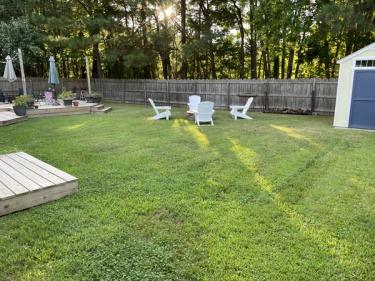
Extra weed control tips
- Do regular "weed walks" to catch problems early
- Remember: Not all weeds are bad
- A healthy, good-looking lawn doesn't have to be 100% weed-free
- Mow high. Longer grass = less weeds.
Frequently Asked Questions
How long does it take to transition to natural pre-emergent? Most people see significant improvements by the second season. The full transition typically takes 1-2 growing seasons as your soil ecosystem rebalances and your grass becomes more competitive. If you've been using conventional products that persist 20-30 weeks, expect dormant weed seeds to germinate as these chemicals wear off.
Why might I see more weeds after switching? When switching from conventional pre-emergents to Sunday's approach, you might initially see more weeds than before. This doesn't mean the new approach isn't working! Your lawn has been dependent on long-lasting pesticides, and there will be an adjustment period. The weed seed bank in your soil has been artificially suppressed, and as these chemicals wear off, dormant weed seeds will germinate. BUT, with consistent application of Sunday's program (we're talking: weed, seed, feed), these weeds will become less problematic as your lawn health improves.
When will I see results? Most people see significant improvements by the second season. Each year with Sunday gets progressively better as you build a naturally weed-resistant lawn. Be patient - your lawn didn't become pesticide-dependent overnight, and it won't fully transition in a single season.
Let's get growing
Our lawn engine uses satellite data to map out your lawn size and determine things like average rainfall, common weeds, and pest activity.
Cited sources
Managing Weeds in Lawns. University of Minnesota Extension