






The Sunday difference

Grow a greener lawn
Get pesticide-free fertilizers
Made for people, pets & planet



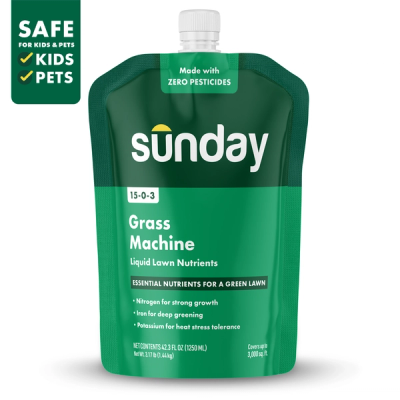
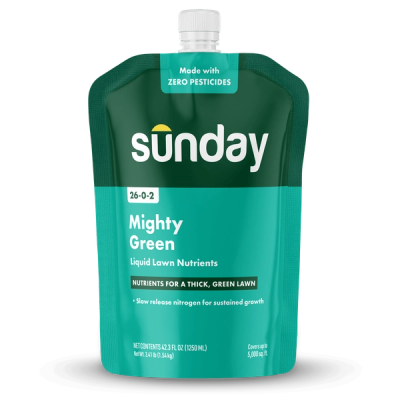
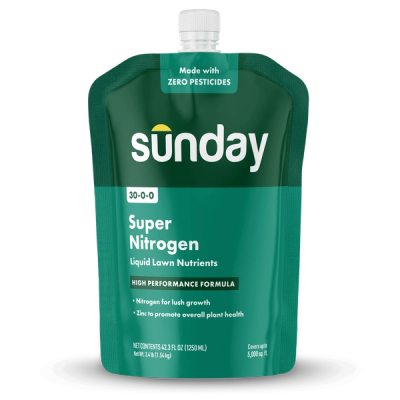
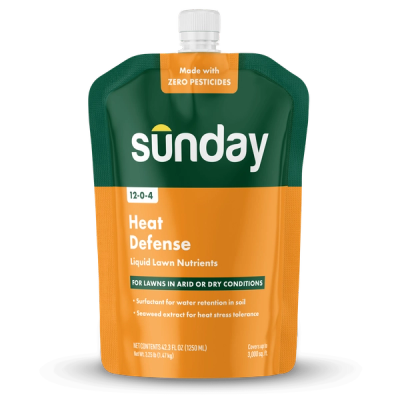
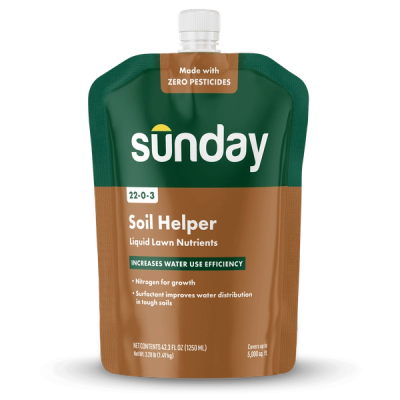
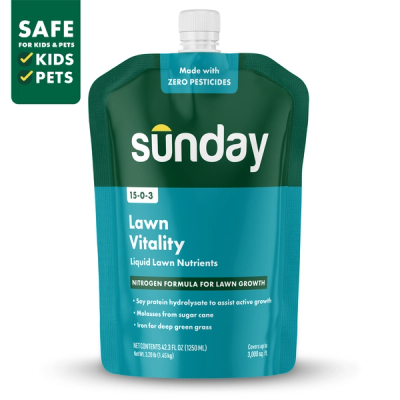
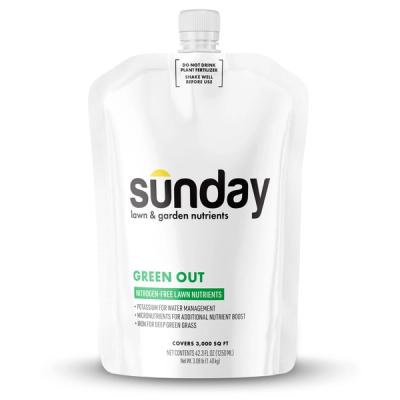
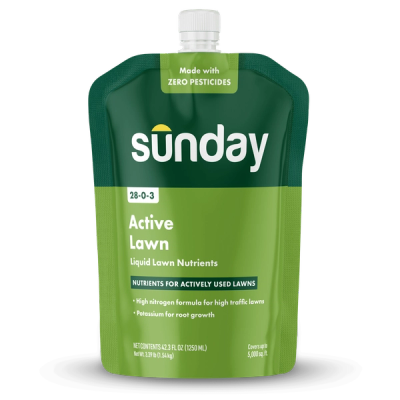
What lawn fertilizer does and why your grass needs it
Your lawn is hungry. Even if it looks fine on the surface, the soil underneath might be running low on the nutrients grass needs to stay thick, green, and resilient. That's where lawn fertilizer comes in.
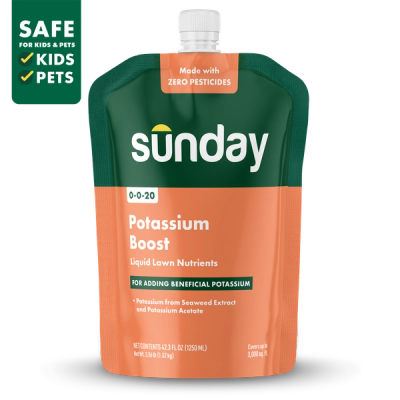
Lawn food delivers the key macronutrients your grass depends on. Nitrogen (often in slow-release or urea form) drives leaf growth and that deep green color. Potassium strengthens roots and helps your lawn bounce back from heat, foot traffic, and dry spells. Most Sunday formulas skip phosphorus, since many soils already have enough and excess runoff can harm waterways.
Beyond the basics, secondary nutrients and micronutrients make a real difference. Iron deepens color without pushing excessive top growth. Calcium supports cell structure. And ingredients like seaweed, humic acid, and soy protein work alongside those core active nutrients to improve soil biology, boost nutrient uptake, and build long-term health below the surface.
The bottom line: the best fertilizer for your lawn feeds both the grass you see and the soil you don't.
How to choose the right lawn fertilizer for your yard
Not every grass fertilizer works the same way, and that's actually a good thing. Different formulas solve different problems, so you can pick exactly what your lawn needs right now.
Liquid fertilizers
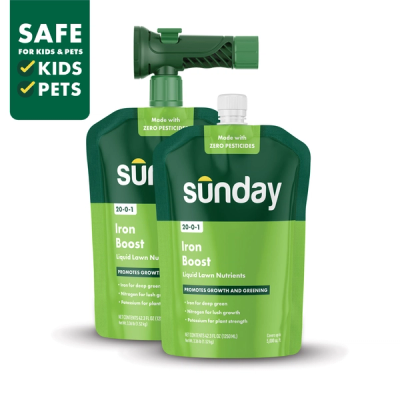
- Iron Boost Liquid Fertilizer (2-pack) uses a 20-0-1 NPK ratio with iron citrate and nitrogen to deliver deep greening fast, without pushing excessive growth.
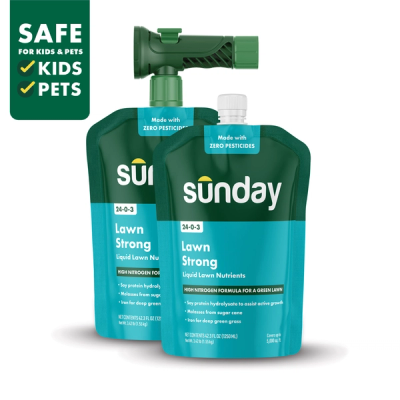
- Lawn Strong Liquid Fertilizer (2-pack) provides a balanced feeding that helps grass fill in and stay thick through the growing season.
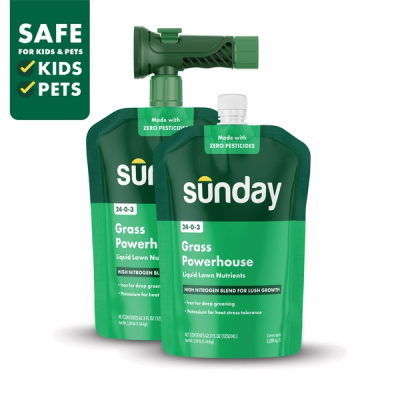
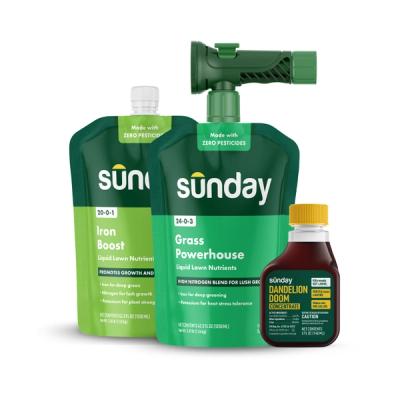
- Grass Powerhouse Liquid Fertilizer (2-pack) packs a higher nutrient concentration for lawns that need a serious boost.
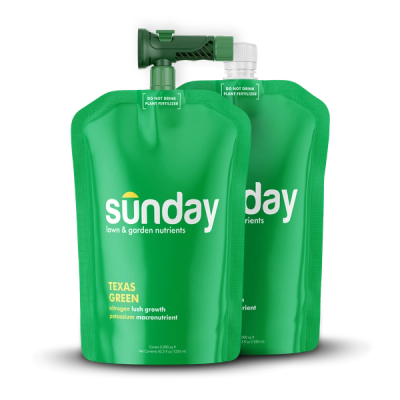
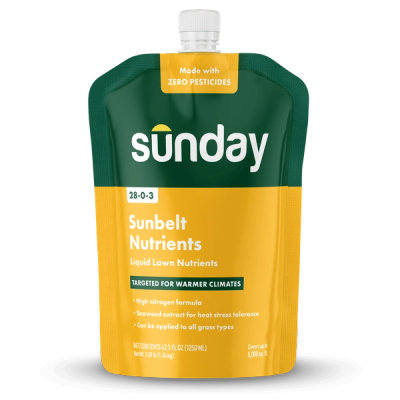
- Texas Green Liquid Fertilizer (2-pack) is built for warm-season grasses that face intense sun and heat.
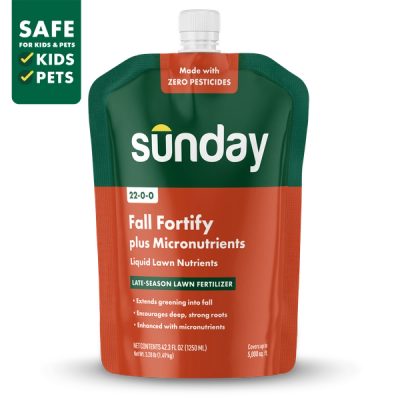
- Fall Fortify Plus Liquid Lawn Fertilizer is a seasonal formula that prepares your lawn for winter by strengthening roots before dormancy.
Granular fertilizers
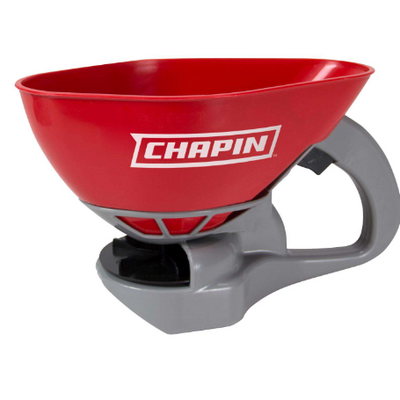
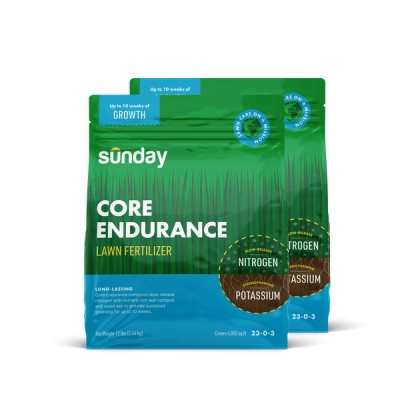
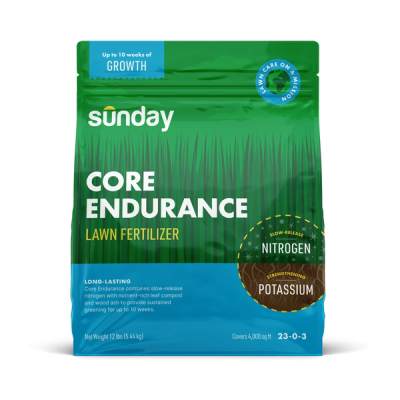
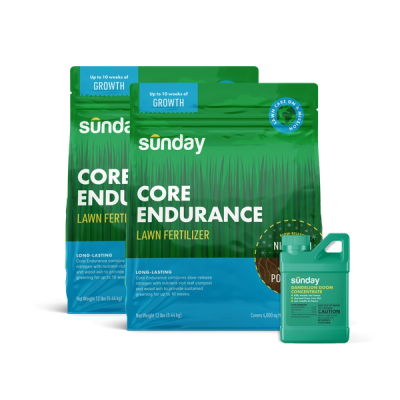
- Core Endurance Granular Lawn Fertilizer features a 23-0-3 NPK ratio with slow-release nitrogen, feeding your lawn steadily over weeks instead of all at once.
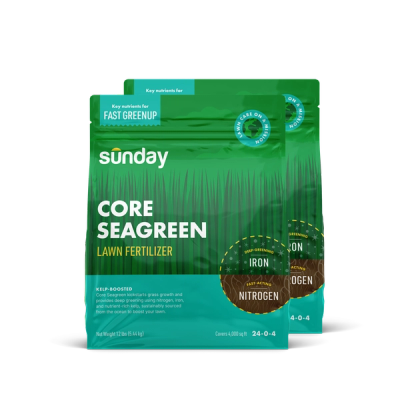
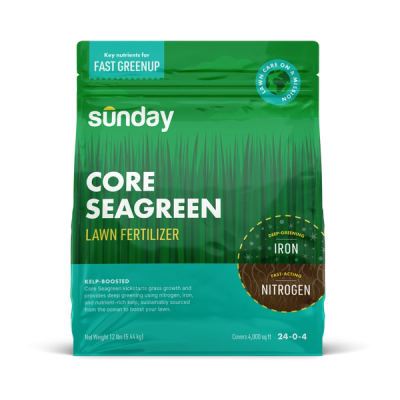
- Core Seagreen Granular Lawn Fertilizer delivers a 24-0-4 NPK ratio with slow-release nitrogen plus seaweed extracts to support both greening and soil health.
Lawn treatments
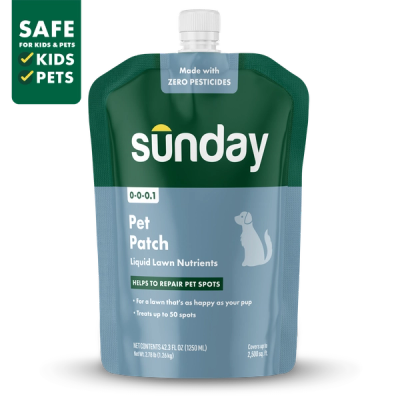
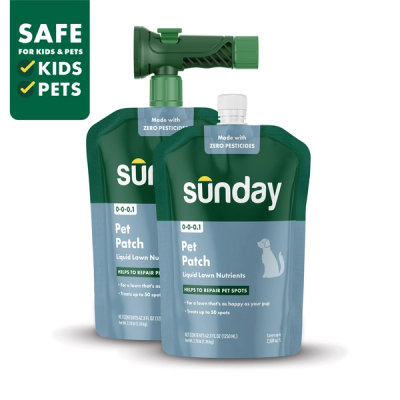
- Pet Patch Lawn Treatment for Spots contains zero nitrogen and is designed specifically to repair damage from pet urine.
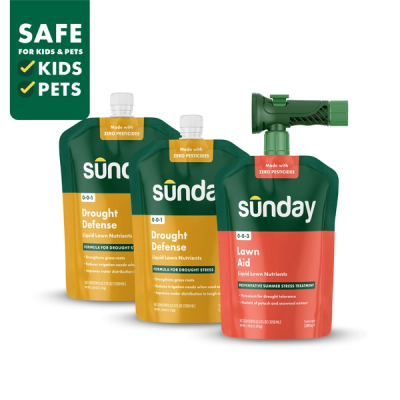
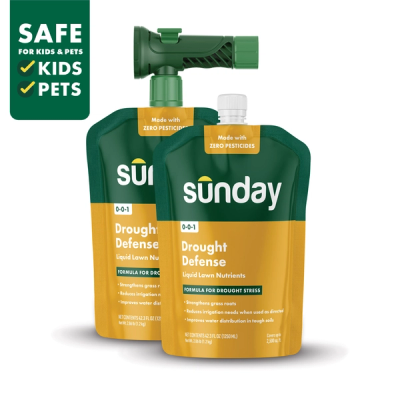
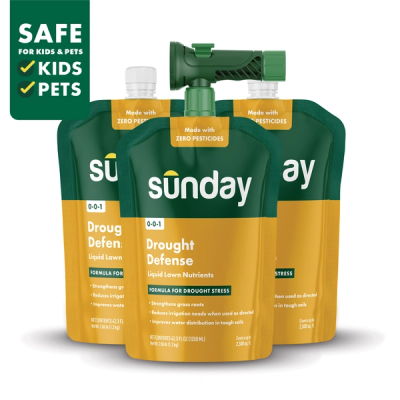
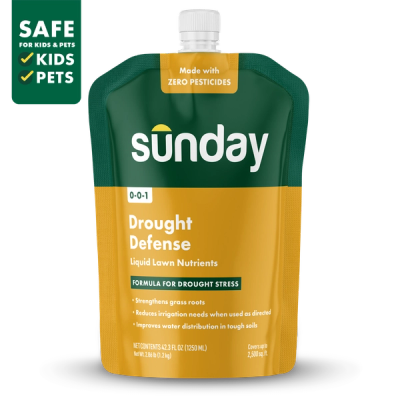
- Drought Defense Lawn Treatment helps your lawn retain moisture and handle dry stretches without wilting.
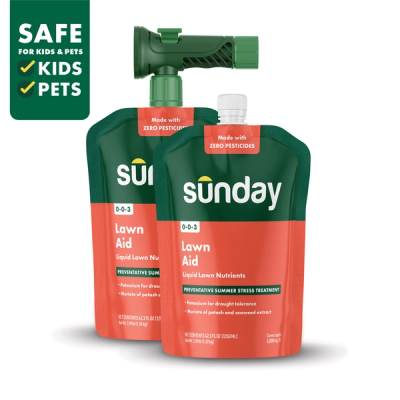
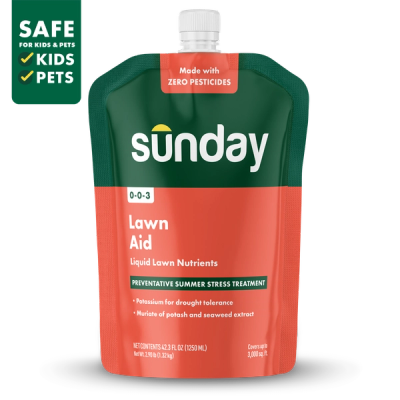
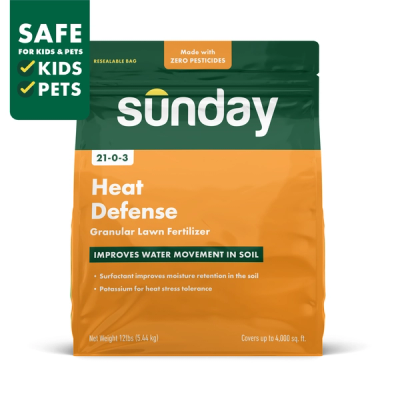
- Lawn Aid Heat Stress Prevention Treatment (2-pack) protects grass from heat damage before it happens.
Wondering about liquid vs granular lawn fertilizer? Liquids absorb quickly and show results in days. Granulars release nutrients slowly over time for steady, sustained feeding. Many homeowners use both through the season for the best of both worlds.
Not sure which formula fits your lawn? Sunday's custom lawn plan matches products to your soil, grass type, and climate.
When to fertilize your lawn and how to get the best results
Timing and technique matter just as much as the formula you choose. Here's how to get the most out of every application.
When to apply
- Fertilize when soil temperatures are between 50 and 85 degrees Fahrenheit. Outside that range, grass can't absorb nutrients efficiently.
- Apply early morning or evening to avoid midday heat.
- Plan for 3 to 4 applications during the growing season, spaced about 4 to 6 weeks apart.
- Apply to a damp lawn and make sure you have at least 3 rain-free hours after application.
Liquid fertilizer tips
- Let the product dry for 4 to 24 hours before walking on the lawn.
- Hold off on mowing for at least 2 days after application.
- If temperatures are high, water your lawn again the following day to help nutrients soak in.
Granular fertilizer tips
- Water thoroughly right after spreading so granules dissolve and reach the soil.
- Keep foot traffic off the lawn until granules have been fully watered in.
Why Sunday takes a different approach to lawn fertilizer
Sunday builds lawn fertilizer around a simple idea: work with your soil, not against it. Every formula is pesticide-free, combining core active nutrients like nitrogen and potassium with ingredients such as seaweed, humic acid, and soy protein that support the living ecosystem in your soil.
What sets Sunday apart:
- Soil test first. Sunday recommends starting with a Sunday Soil Test Kit & Analysis so you know exactly what your lawn needs, no guessing involved.
- Transparent ingredient lists. Every product shows you what's in it and why it's there. No hidden fillers, no vague claims.
- Custom lawn plans. Based on your soil results, grass type, and local climate, Sunday sequences the right products at the right time throughout the season.
Ready to see what your lawn actually needs? Browse the Lawn Fertilizer and Nutrients products above or start with a plan built around your yard.
Common questions about lawn fertilizer
How do I choose between a custom lawn plan and individual fertilizer products?
A custom lawn plan takes the guesswork out by matching products to your soil test results, grass type, and local climate. It sequences applications throughout the season so you know what to apply and when. Individual products work well if you already know what your lawn needs and want to target a specific issue, like boosting color or repairing pet spots.
How long should I wait to fertilize my lawn after overseeding?
You don't need to wait. Sunday fertilizer is designed to be used before or after overseeding. Applying fertilizer around the same time as seeding can actually help new grass establish faster by providing nutrients right when seedlings need them most.
Do I need a soil test before picking a lawn fertilizer?
A soil test is strongly recommended. It tells you exactly which nutrients your soil is lacking and which it already has plenty of, so you can choose a fertilizer that fills the gaps instead of overloading what's already there. This leads to better results and less waste.
What type of lawn fertilizer works best in hot or drought-prone climates?
Look for formulas designed to handle heat stress and retain moisture. Sunday offers products specifically built for these conditions, including options for warm-season grasses that face intense sun. Pairing a feeding program with a moisture-retaining treatment helps your lawn stay green even during dry stretches.
Can I use lawn fertilizer if I have pets or kids playing on the grass?
Sunday's fertilizers are pesticide-free and designed to break down quickly, which means they don't leave behind the kind of residues you'd find with traditional lawn chemicals. For liquid products, let the application dry fully (4 to 24 hours) before allowing foot traffic. For granulars, water them in thoroughly first. And for pet urine damage specifically, there's a zero-nitrogen spot treatment formulated just for that purpose.
Build a complete lawn care routine beyond fertilizer
Lawn fertilizer is one piece of a healthy yard. Pairing it with the right complementary products helps you get better results and tackle problems before they start.
- Grass Seed: Fill in bare or thin spots so your lawn grows in thick and even. Overseeding pairs perfectly with a regular fertilizer schedule.
- Weed Control: Stop weeds from competing with your grass for nutrients, water, and sunlight. Pre-emergent and post-emergent options let you tackle weeds at any stage.
- Pet Friendly Supplies: Keep your yard welcoming for four-legged family members with pesticide-free products designed for homes with pets.
- Irrigation Tools: Consistent watering helps fertilizer absorb properly and keeps your lawn hydrated between feedings.
Want it all mapped out for you? A custom lawn plan brings fertilizer, soil health, and seasonal treatments together into one step-by-step schedule built for your yard.Tips for using lawn fertilizer
Timing matters when it comes to feeding your lawn. The best time to fertilize lawn is during active growth in spring when your grass is waking up, and again in fall to prepare roots for winter. Avoid fertilizing during extreme heat or drought when grass is stressed.
Here's how to get the most from your lawn fertilizer:
- Apply on a dry lawn, then water lightly afterward to help nutrients soak into the soil
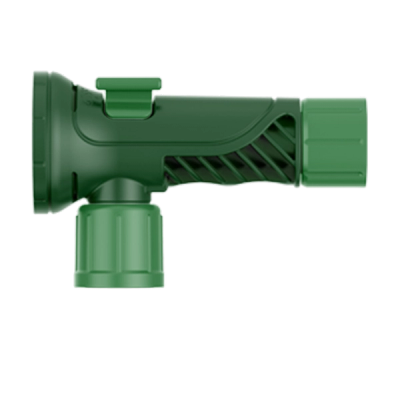
- Liquid lawn fertilizer hooks right up to your hose for even coverage across your entire yard
- Granular fertilizers feed your lawn steadily over several weeks, so you're not scrambling to reapply
- Plan for 3 to 4 applications per growing season for the best results
- A soil test helps you understand your lawn's exact nutrient needs so you're not guessing
Want to take the guesswork out of your lawn care schedule? Build a custom lawn plan and we'll tell you exactly what to apply and when.
Lawn fertilizer FAQs
Do I need a different lawn fertilizer for spring and fall?
Your lawn's needs change with the seasons. In spring, look for a nitrogen rich lawn fertilizer to jumpstart greening and growth. In fall, choose a formula with more potassium to strengthen roots before winter. A nitrogen rich liquid formula is great for spring greening, while a potassium focused fertilizer helps your lawn prep for colder months.
What is the difference between liquid and granular lawn fertilizer?
Liquid lawn fertilizer delivers fast acting nutrients and applies easily with a hose end sprayer for quick results. Granular lawn fertilizer releases nutrition slowly over several weeks, providing extended feeding. Both work great. Want greening fast? Go liquid. Want steady feeding over weeks? Go granular.
What ingredients should I look for in a lawn fertilizer?
Look for ingredients that feed the soil, not just the grass. Sunday lawn fertilizers use seaweed, molasses, soy protein, and humic acid to build healthy soil and promote strong root growth. Avoid products loaded with harsh chemicals or synthetic pesticides. Ingredients from nature deliver real nutrition without the downsides.
Can I fertilize my lawn and seed at the same time?
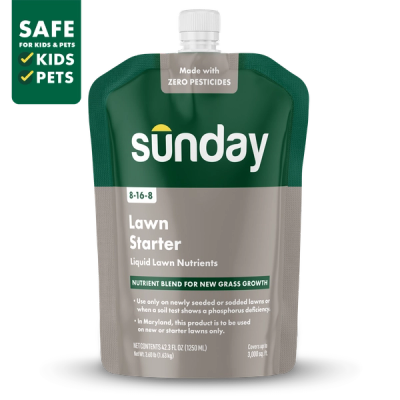
Yes, you can seed and fertilize at the same time. A starter fertilizer designed for new lawns can support seed germination and root development. Apply both, water well, and avoid mowing until your new grass is at least 3 inches tall.
How do I choose the right lawn fertilizer for my grass type?
Start with a soil test to understand what your lawn actually needs. From there, match the product to your goal. An iron rich liquid fertilizer works well for warm season grasses that need deeper color, while a seaweed based granular formula builds soil health for any grass type. A Sunday custom lawn plan takes the guesswork out by recommending products based on your location and grass.
Not sure where to start? Build a custom lawn plan tailored to your yard.