






Ask Sunday
What seed do
I need?









Grass seed
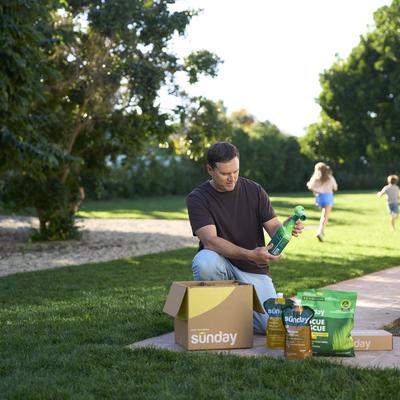
You want a thicker, greener lawn. We want to help you grow one that lasts.
Every Sunday grass seed blend uses A-LIST approved varieties, tested to need less water and less help from fertilizer and pesticides. Each bag is backed by a 99.9% weed-free guarantee, so you're planting grass, not filler.
Scroll on to find the blend that fits your yard.
What to know before buying grass seed
Seed only works when it matches your yard. Four things decide which bag you should pick up:
- Your grass type. Cool-season grasses like tall fescue, fine fescue, Kentucky bluegrass, and perennial ryegrass grow best between 50 and 80°F across the northern half of the country. Warm-season grasses like bermudagrass grow best between 80 and 95°F across the South. Live in the middle of the country? You're in the transition zone, where tall fescue and bermudagrass are the most common picks. Our guide to cool-season and warm-season grasses breaks it down.
- What's already growing. Most northern lawns are a blend of two or more cool-season grasses. Most southern lawns are a single warm-season type. If your lawn stays green after a hard freeze, it's cool-season. If it turns brown after frost, it's warm-season. Still unsure? Use the grass ID guide.
- Sun and shade. Fine fescue handles the least light, followed by tall fescue, then Kentucky bluegrass, then perennial ryegrass. Watch your yard for a day and note which spots get fewer than 4 to 6 hours of direct sun.
- How you use the lawn. Dogs and kids mean heavy foot traffic, which calls for a tougher blend. A quiet backyard under trees can get by with a slower-growing one.
Seed quality matters too. Sunday blends deliver an 85% germination rate, which means most of what you spread actually sprouts.
How to choose the right grass seed for your lawn
Here's the full lineup, organized by climate. You can browse every bag in our grass seed shop.
For cool-season lawns (northern and transition zones):
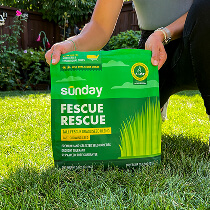
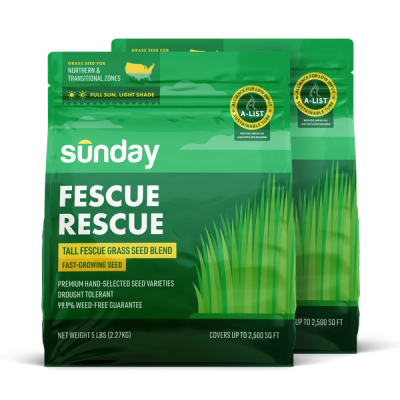
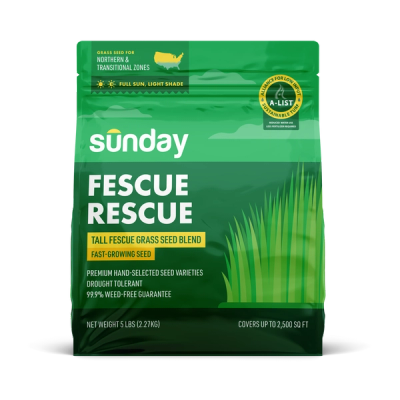
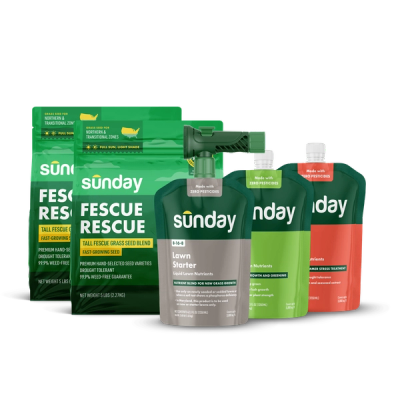
- Fescue Rescue Grass Seed. A tall fescue blend with strong drought tolerance. Medium sun, medium water. It's our go-to for patching thin areas and for yards that take a beating.
- Kentucky's Best Grass Seed. Kentucky bluegrass with excellent cold tolerance and that classic dense, dark green look. It needs full sun and more water than fescue, and it's slower to sprout at 14 to 21 days.
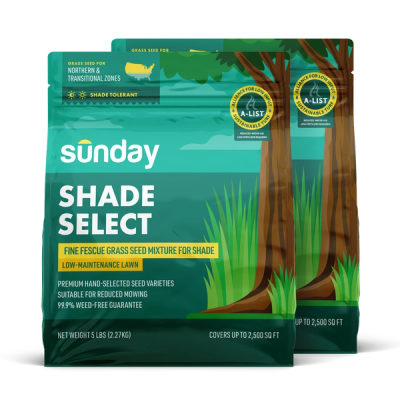
- Shade Select Grass Seed. A fine fescue blend selected for dense, slow growth in low light. It needs low water once established and works well for low-mow or no-mow lawns.
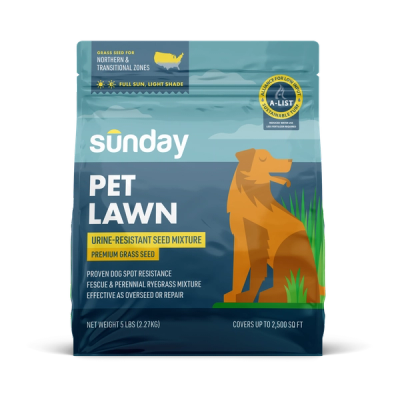
- Pet Lawn Grass Seed. A urine-resistant blend built for traffic, with higher heat and drought tolerance. Start here if you share your yard with a dog.
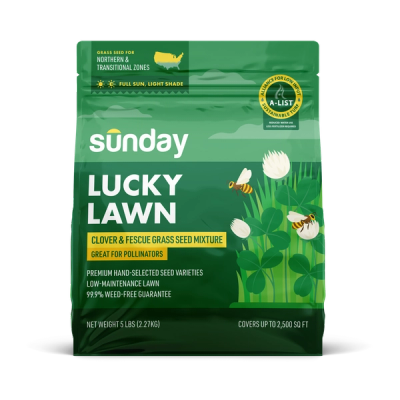
- Lucky Lawn Grass Seed. Tall and fine fescue with microclover. Clover feeds the soil, so this blend needs fewer nutrients, and it supports pollinators.
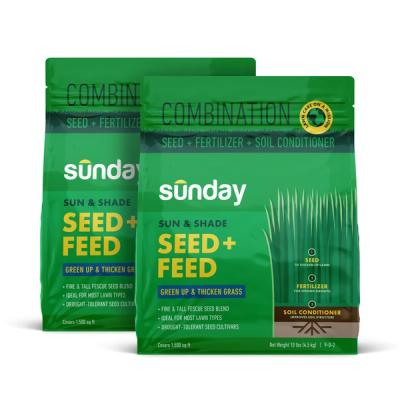
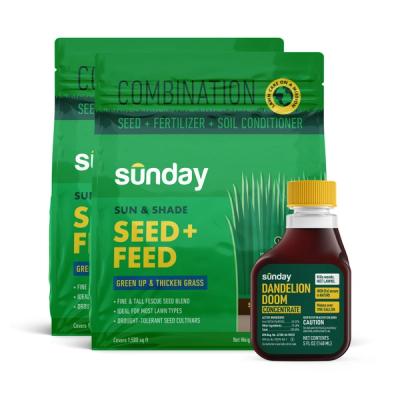
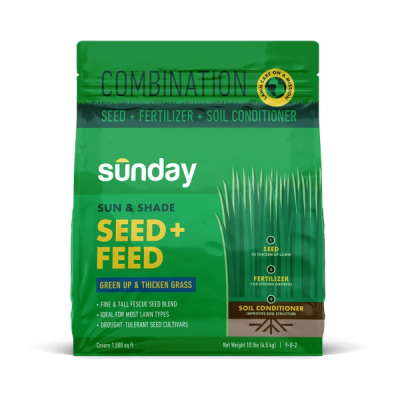
- Sun & Shade Seed + Feed. Seed and fertilizer in one 10 lb bag, for overseeding in a single pass.
For warm-season lawns (southern climates):
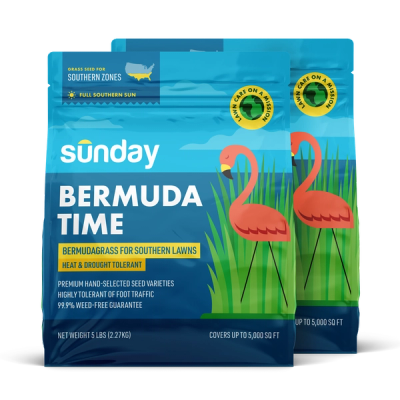
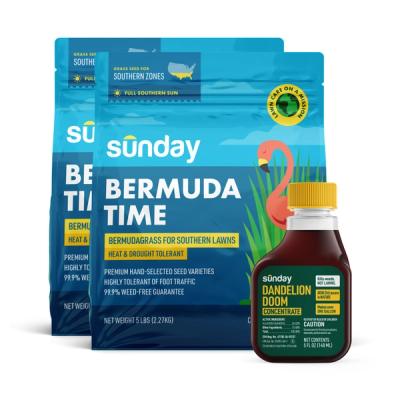
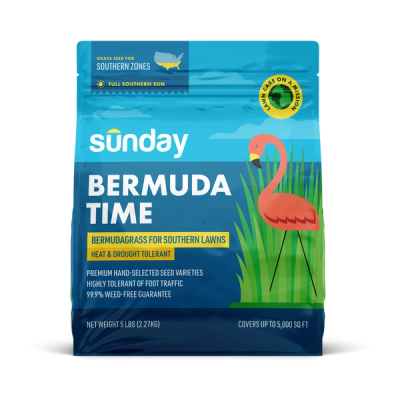
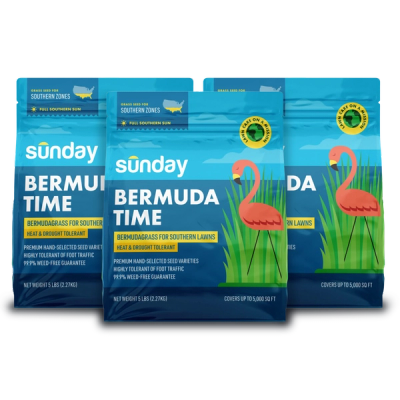
- Bermuda Time Common Bermudagrass Seed. Thrives in full sun and heat, and recovers quickly from wear. One note: many warm-season grasses like zoysia and St. Augustine don't establish well from seed and are usually planted as sod or plugs. Common bermudagrass does. Multiple warm season grasses typically don’t mix well together. Be sure you have the right grass type before seeding.
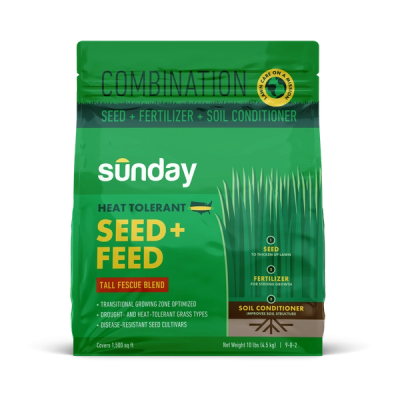
- Heat Tolerant Seed + Feed. A 10 lb seed and fertilizer bag for hot climates where standard blends struggle.
For bare spots:
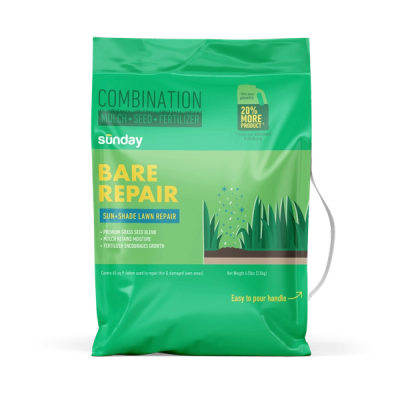
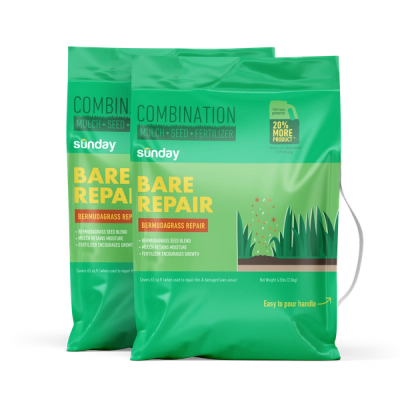
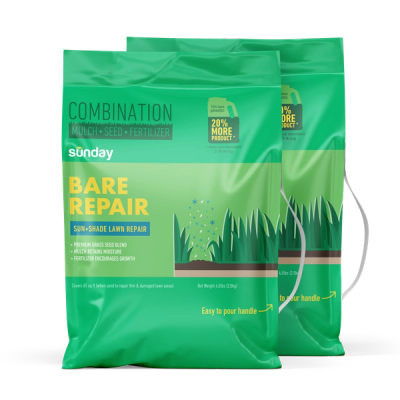
- Bare Repair Sun + Shade fills cool-season bare spots with seed and slow-release nitrogen held in recycled paper mulch, all in one bag. Expect results in about 14 days.
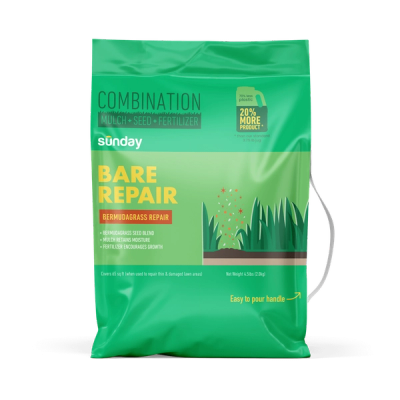
- Bare Repair Common Bermudagrass does the same job for warm-season lawns in about 28 days.
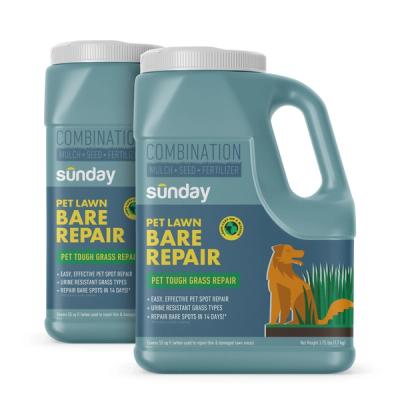
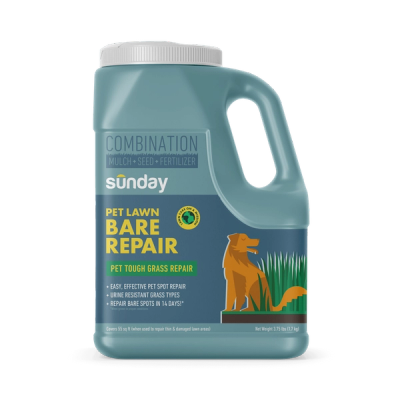
- Pet Lawn Bare Repair reseeds dead urine spots in about 14 days. You'll find it alongside Pet Patch and more in our pet products.
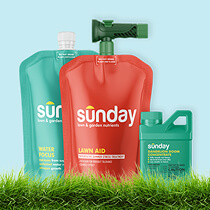
Want your seed bundled with everything else you'll need this season? Our custom yard kits pair the right seed with the weed control and fertilizer you'll use alongside it.
When to plant grass seed for the best results
Plant at the right time and your seed gets a head start. Plant at the wrong time and you're feeding the birds.
Cool-season grasses: Seed when daily temperatures hold between 55 and 75°F. Fall is the best window, usually late August through early October depending on where you live.
Soil is still warm while air cools, and seedlings get the whole autumn to root in before summer stress. Spring works too, typically April into May. Read our homeowner guide to fall grass seeding for the full playbook.
Warm-season grasses: Seed in late spring to early summer when daily averages reach 70 to 90°F. These grasses need heat to get going and enough summer to establish before fall.
Missed your window? If you have a cool-season lawn and the ground isn't frozen yet, you can dormant seed. The seed waits through winter and sprouts when soil warms in spring. Warm-season lawns should wait for the next growing season.
Once you've picked your timing, here's how to seed:
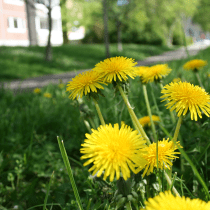
- Clear weeds about a week ahead. Hand-pull what you can, and spot-treat stubborn weeds with a Sunday weed control product. Weeds compete with seedlings for light and water.
- Mow a little shorter than usual, around 2 inches, and bag the clippings so seed can reach soil. For a brand new lawn or mostly bare soil, rake or till the top 2 to 3 inches instead.
- Spread at the right rate. For overseeding, use 2 lbs per 1,000 sq ft for every blend. A 5 lb bag covers about 2,500 sq ft. For heavy repair, very weedy lawns, or new lawns, go heavier: Fescue Rescue and Pet Lawn at 8 lbs, Shade Select and Lucky Lawn at 5 lbs, Kentucky's Best at 2 lbs, and Bermuda Time at 1 lb per 1,000 sq ft. Spread half in one direction and half perpendicular for even coverage.
- Rake lightly so seed makes contact with soil. A thin layer of straw or compost on bare areas holds moisture and protects seed. No more than a quarter inch.
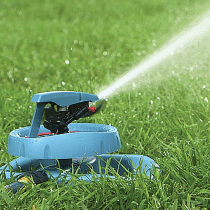
- Water to germination. For new lawns and bare spots, water lightly 1 to 2 times a day for 2 to 3 weeks, until grass is about 2 inches tall. For overseeding, keep your regular schedule of about 1/2 inch of water 1 to 3 times a week when it's not raining. Keep the top inch of soil moist, never pooled. Our irrigation tools help you keep it consistent.
- Stay off it. Wait to mow until you have about 60% green cover and the grass is 1.5 times your target height. On a new lawn, hold off on fertilizer until about 60% of the seed has germinated.
Step-by-step details are in our grass seed instructions.
Why Sunday's grass seed blends are built differently
We don't just sell seed. We select it.
Every variety in a Sunday bag is A-LIST approved. That means independent testing shows it needs less water and less help from fertilizer and pesticides. It still holds up under drought and foot traffic.
These are some of the hardest seeds to find on the market, delivered to your door.
Every bag carries a 99.9% weed-free guarantee and an 85% germination rate. Less reseeding, more enjoying your yard.
A thick lawn is also the best weed control there is. A dense canopy leaves weed seeds no soil or sunlight to sprout in, so the right seed does double duty.
Sunday is a member of 1% for the Planet, so every purchase gives back.
Want the guesswork gone? Start with a soil test. Your results, plus your grass type and local climate, shape a custom lawn plan that lines up seed and feeding across the season.
Common questions about grass seed
How do I choose the right grass seed for my lawn?
Start with your climate. Northern lawns need cool-season seed. Southern lawns need warm-season seed.
Then check your sun. Shady yards do best with a fine fescue blend like Shade Select. Full-sun yards can handle Kentucky bluegrass up north or bermudagrass down south. If you have a dog, pick Pet Lawn, a urine-resistant blend built for traffic.
When is the best time to plant grass seed?
For cool-season grasses, fall is ideal, with spring as a solid second choice. Aim for daily temperatures between 55 and 75°F.
For warm-season grasses, plant in late spring to early summer when temperatures reach 70 to 90°F. Skip peak summer heat. New seedlings can't handle the stress.
How do I overseed an existing lawn for thicker grass?
Mow one notch shorter than usual and bag the clippings. Spread seed at 2 lbs per 1,000 sq ft, overlapping your passes slightly.
Keep the soil moist until you see about 60% germination, then shift back to deeper, less frequent watering. Stay off the new grass until you've mowed it once. Our overseeding guide walks through every step.
How long does grass seed take to grow?
It depends on the variety. Perennial ryegrass sprouts in 3 to 7 days. Tall fescue takes 6 to 12 days. Kentucky bluegrass takes 14 to 21 days, and bermudagrass falls in the 14 to 28 day range.
Bare Repair Sun + Shade shows results in about 14 days. Bare Repair Common Bermudagrass takes closer to 21 days.
What is the difference between overseeding and patching bare spots?
Overseeding spreads seed across the whole lawn to thicken what's already there. It's the fix for a lawn that looks thin overall.
Patching targets specific dead or damaged spots. Bare Repair products combine seed and slow-release nitrogen in recycled paper mulch so those spots fill in faster. Starting from bare dirt? Read our guide to seeding a new lawn.
Can I grow grass in heavy shade?
Yes, with a few adjustments. Seed with fine fescue and mow at the high end of the range for your grass. Cut fertilizer in shaded areas by 50%.
Prune back trees and shrubs where you can, and keep foot traffic light. Our guide on how to grow a lawn in the shade covers all seven steps.
Products that pair well with grass seed
Getting seed down is step one. These help new grass establish and keep growing:
- Lawn fertilizer feeds new grass with soy protein, iron, seaweed, and molasses once about 60% of your seed has sprouted.
- Weed control spot-treats stubborn weeds before seeding so seedlings aren't competing for light and water.
- Pet products repair urine spots and protect yards shared with dogs.
- Irrigation tools keep soil evenly moist through the 2 to 3 weeks that germination takes.
Want a plan that pulls it all together? Start with a soil test and we'll build the rest around your yard.
Still have questions about which seed is right for you? Contact Us