






Ask Sunday
What seed do
I need?






What to know before buying grass seed
You're here because you want a thicker, greener lawn. Good news: choosing the right grass seed is one of the fastest ways to get there. Whether you're filling in bare spots, overseeding a tired lawn, or starting fresh, it all comes down to picking a seed that matches your yard.
Here's what to look for:
- Your grass type. Cool-season grasses (like fescue and Kentucky bluegrass) thrive in northern climates. Warm-season grasses (like bermudagrass) love southern heat. Knowing which camp your lawn falls into is step one.
- Sun and shade exposure. Some blends are built for full sun, others handle shade. Take a look at how much light your yard actually gets before you pick.
- Seed blend composition. Grass seed blends combine multiple varieties for better disease resistance and adaptability. A good blend covers more bases than a single variety ever could.
- Germination rate. This tells you how much of the seed will actually sprout. Sunday's grass seed delivers an 85% germination rate and a 99.9% weed-free guarantee, so you're getting seed that works, not filler.
Every Sunday grass seed blend features A-LIST approved varieties, independently tested and ranked for top performance, cultivated for deeper root growth. That means a lawn that holds up better through drought, foot traffic, and whatever else your yard throws at it.
How to choose the right grass seed for your lawn
Not all grass seed is created equal, and the best pick depends on your climate, your yard's quirks, and how you actually use your outdoor space. Here's a quick breakdown of what's available:
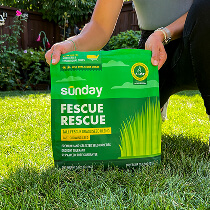
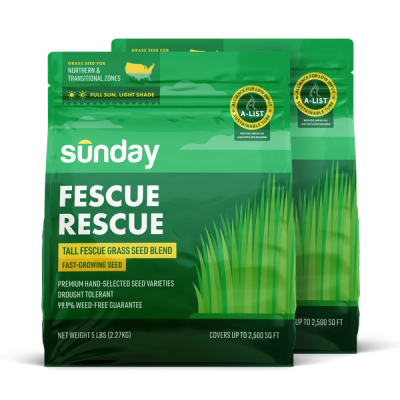
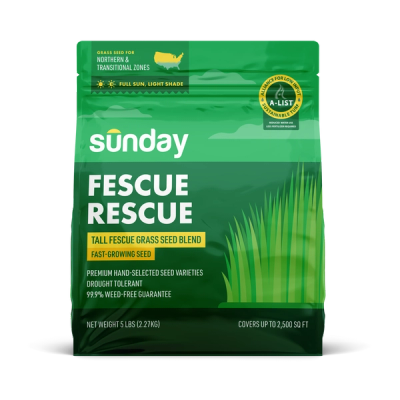
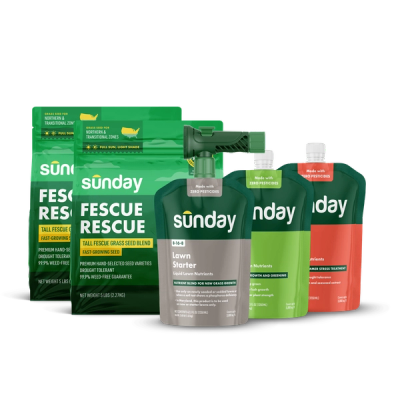
- Fescue Rescue Grass Seed is a tall fescue blend built for cool-season lawns. It's drought-tolerant and holds up well in yards that take a beating.
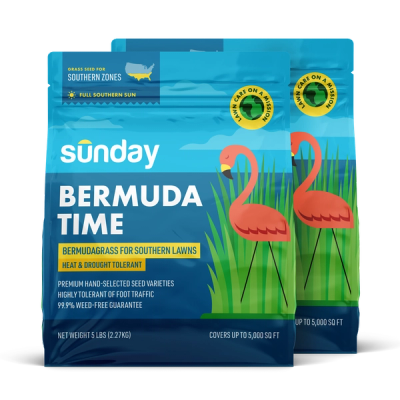
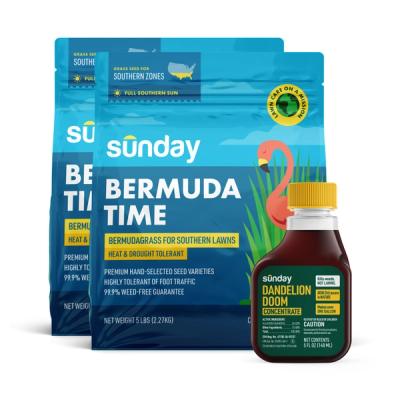
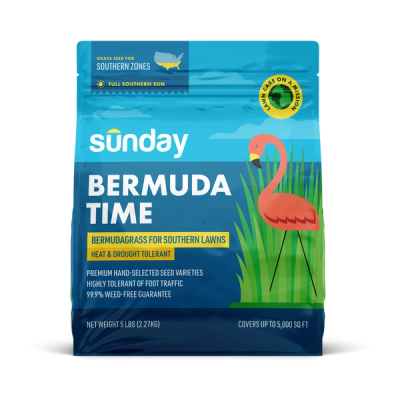
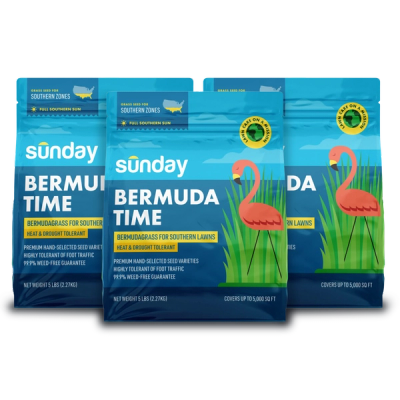
- Bermuda Time Common Bermudagrass Seed is made for warm-season climates where summer heat is the norm. It thrives in full sun and recovers quickly.
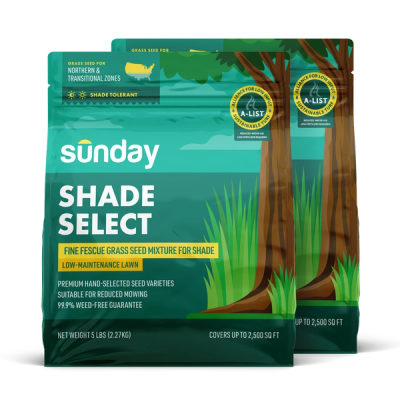
- Shade Select Grass Seed is a fine fescue blend designed for low-light areas and shady yards where other grasses struggle.
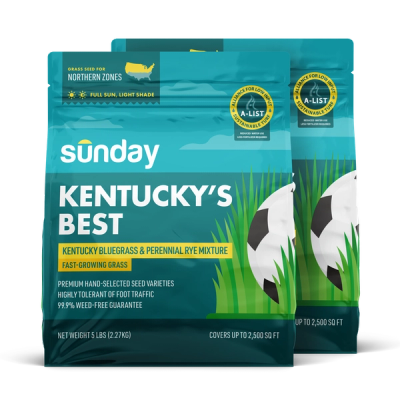
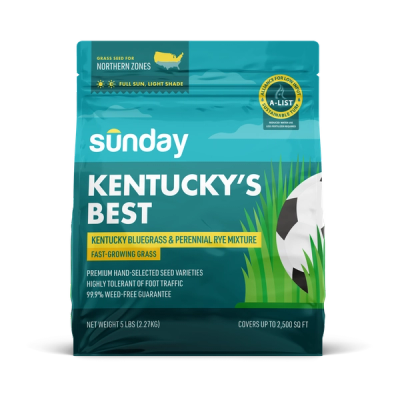
- Kentucky's Best Grass Seed is a Kentucky bluegrass blend that delivers that classic, dense, dark green look.
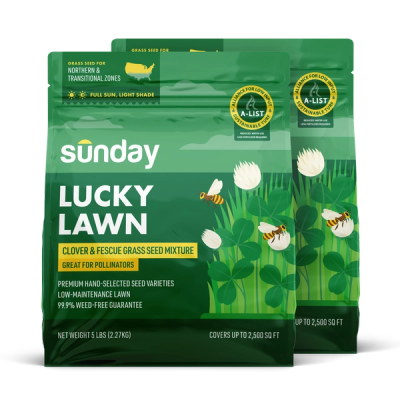
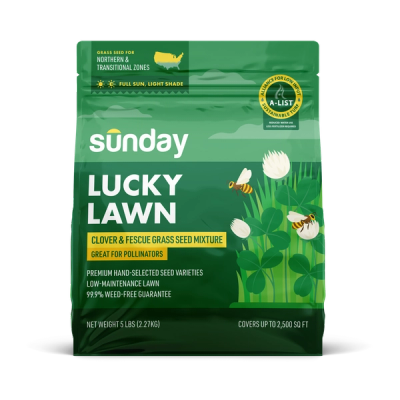
- Lucky Lawn Grass Seed is a pollinator-friendly blend with microclover that supports bees and other beneficial insects while keeping your lawn thick.
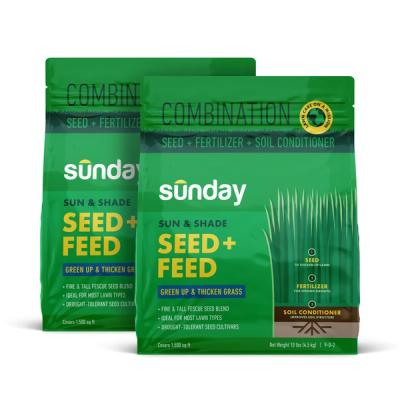
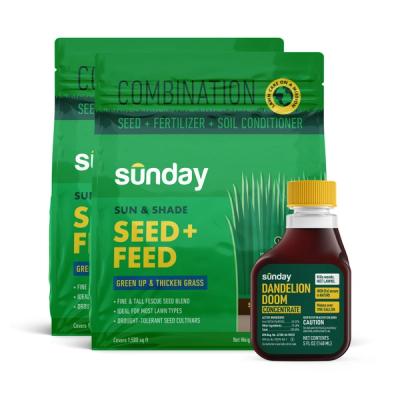
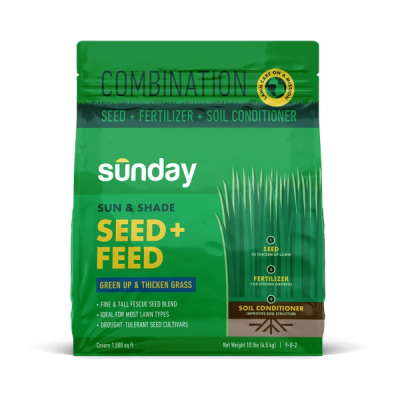
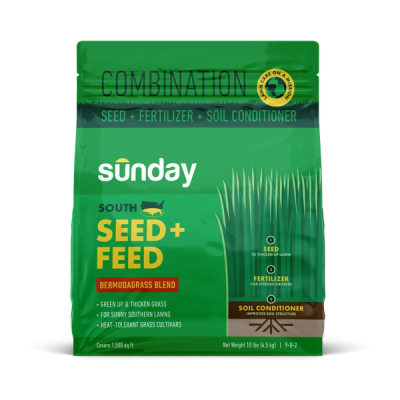
- Sun & Shade Seed + Feed is a versatile blend with fertilizer included, so you can seed and feed in one step.
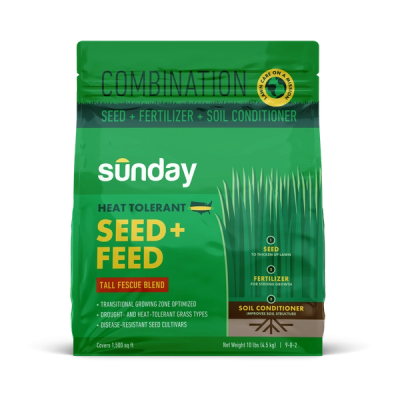
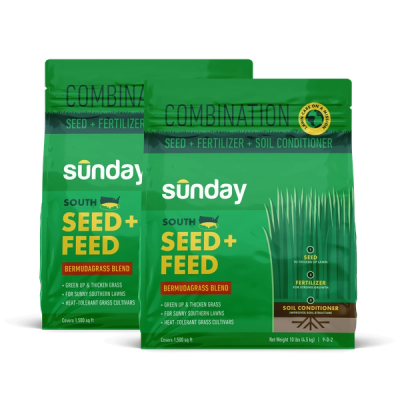
- Heat Tolerant Seed + Feed is built for challenging hot climates where standard seed blends struggle to establish.
When to plant grass seed for the best results
Timing matters more than most people realize. Plant at the right time and your seed gets a head start. Plant at the wrong time and you're basically feeding the birds.
Cool-season grasses: Seed in spring or fall when daily average temperatures sit between 55 and 75 degrees Fahrenheit. Fall is the sweet spot because cooler air and warm soil create ideal germination conditions.
Warm-season grasses: Seed in late spring to early summer when daily averages hit 70 to 90 degrees Fahrenheit. These grasses need heat to get going.
Once your seed is down, follow these steps to give it the best shot:
- Mow shorter before seeding and remove the clippings so seed makes good contact with soil.
- For overseeding, spread seed at 2 lbs per 1,000 sq ft. A 5 lb bag covers about 2,500 sq ft.
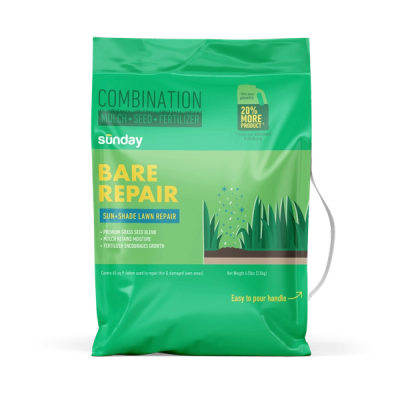
- For bare spot patching, apply about 1 cup per 1 sq ft using a patch kit.
- Keep soil moist with light, frequent watering once or twice daily until you see germination.
- Stay off seeded areas until the new grass is established and you've mowed it at least once.
Why Sunday's grass seed blends are built differently
Sunday doesn't just sell lawn seed. Every blend is selected for resilience, deeper root growth, and long-term disease resistance. That means a lawn that looks good this season and keeps improving over time.
Every bag comes with a 99.9% weed-free guarantee and an 85% germination rate, so you're spending less time reseeding and more time enjoying your yard. All varieties are A-LIST approved, which means they've been tested and selected for real-world performance.
Sunday's grass seed blends are made with ingredients that are better for people, pets, and the planet. And through the 1% for the Planet commitment, every purchase supports the restoration of tallgrass prairie ecosystems.
Growing a great lawn shouldn't feel complicated. Build your custom lawn plan and get a personalized approach based on your soil, climate, and goals.
Common questions about grass seed
How do I choose the right grass seed for my lawn?
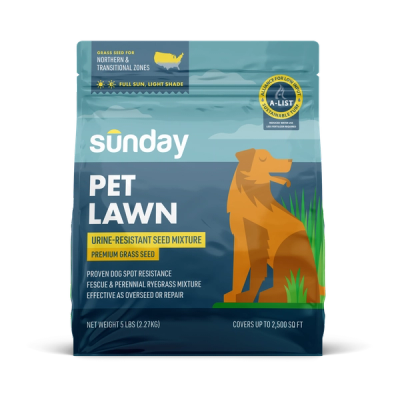
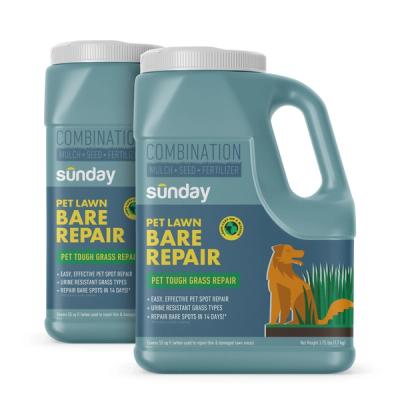
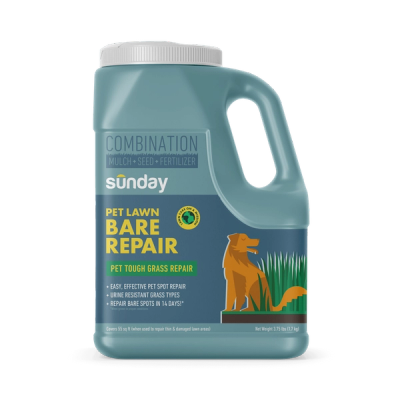
Start by figuring out whether you have a cool-season or warm-season lawn. Then take a look at your yard's sun exposure. Shady yards do best with fine fescue blends, while full-sun yards can handle bermudagrass or Kentucky bluegrass. If you have pets, look for a urine-resistant blend like Pet Lawn Grass Seed.
When is the best time to plant grass seed?
For cool-season grasses, fall is ideal. You can also seed in spring. Aim for daily average temperatures between 55 and 75 degrees Fahrenheit. For warm-season grasses, plant in late spring to early summer when temps reach 70 to 90 degrees. Avoid seeding during peak summer heat since the stress makes it tough for new seed to establish.
How do I overseed an existing lawn for thicker grass?
Mow your lawn one notch shorter than usual and remove the clippings. Spread seed evenly at a rate of 2 lbs per 1,000 sq ft. Keep the soil consistently moist until you see about 60% germination. Avoid walking on seeded areas until the new grass has had time to root in and establish. For a deeper dive, check out Sunday's guide to overseeding your lawn.
How long does grass seed take to grow?
It depends on the variety. Perennial ryegrass is the fastest at 3 to 7 days. Fescues typically germinate in 6 to 12 days. Kentucky bluegrass can take up to 21 days, and bermudagrass falls in the 7 to 21 day range. Bare Repair Sun + Shade for cool-season lawns shows results in about 14 days, while Bare Repair Common Bermudagrass takes closer to 21 days.
What is the difference between overseeding and patching bare spots?
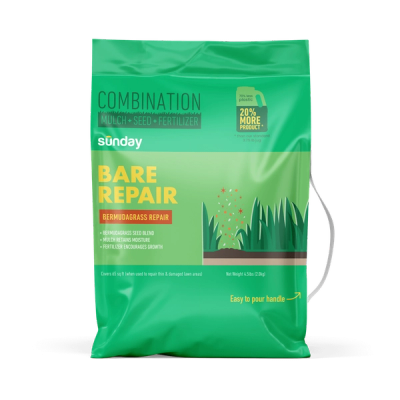
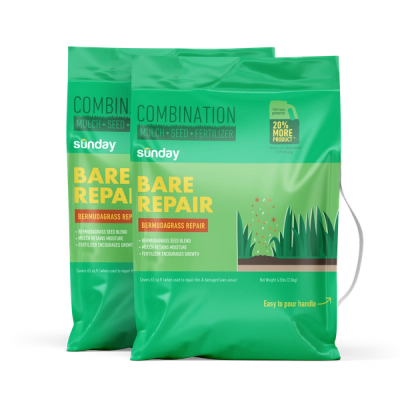
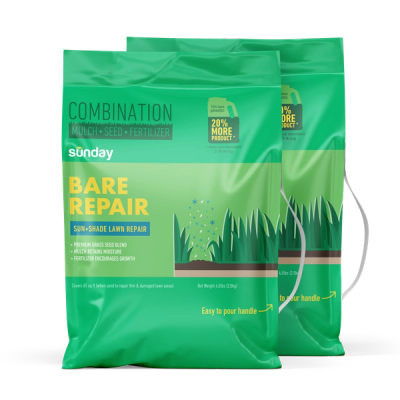
Overseeding means spreading seed across your entire lawn to thicken up the existing grass. It's great for lawns that look thin or uneven overall. Patching targets specific bare or damaged areas. Patch kits combine seed, slow-release nitrogen, and recycled paper mulch to help those trouble spots fill in faster.
Products that pair well with grass seed
Getting seed in the ground is just the first step. These categories can help your new grass establish faster and stay healthier long-term:
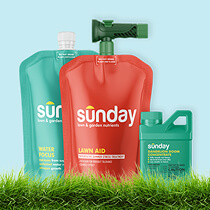
- Lawn Fertilizer feeds new grass the nutrients it needs for stronger, faster growth.
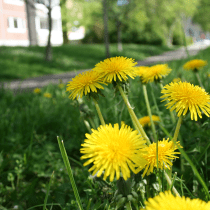
- Weed Control keeps weeds from competing with your new seed for water, light, and space.
- Pet Products offers specialized solutions for yards shared with four-legged family members.
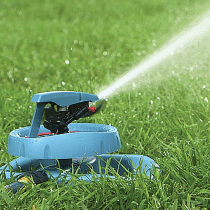
- Irrigation Tools helps you keep soil consistently moist for successful germination.
Want a plan that pulls it all together? Start with a soil test and take the guesswork out of growing a yard you'll actually love.